No Odometer to Report
Navigating the paperwork for your ATV or UTV in Oklahoma can sometimes feel like trying to ride through deep sand with street tires – confusing and frustrating! Many folks are used to buying and selling cars or trucks, where the odometer reading is a huge deal, a critical piece of information that's required for every sale and title transfer. So, it's completely understandable to wonder how that works for your off-road machine, especially when you're preparing for a trip to the tag agency or finalizing a private sale. This guide is here to clear up that specific point of confusion, explaining exactly why you won't be reporting an odometer reading for your ATV or UTV in Oklahoma and what you do need to focus on instead.
The Unique Nature of Off-Road Machines and Odometer Readings
When you think about the vehicles we typically title and register, like cars, trucks, and even street motorcycles, the odometer is usually a central piece of information. It tracks how many miles the vehicle has traveled, which is a major factor in its value, maintenance schedule, and overall wear and tear. But off-road machines, like your trusty ATV or side-by-side, operate in a completely different world, and their "mileage" tells a very different story, if it tells one at all.
Why Odometers Aren't Standard on ATVs and UTVs
For starters, many ATVs and UTVs simply don't come equipped with a traditional odometer that reliably tracks miles traveled. These machines are built for rugged environments, for tackling trails, crossing creeks, or working on the farm, not for cruising down paved highways where consistent mileage tracking is straightforward. The design priorities lean towards durability, power, and suspension travel, not a precise mileage counter.
Even if an off-road machine does have something resembling an odometer, it might be more focused on tracking engine hours rather than actual miles. Think about it: a quad can be idling for an hour while you're taking a break on a hunt, or it could be grinding through deep mud for the same amount of time, putting immense stress on the engine and drivetrain. Both scenarios might result in very few "miles" recorded but wildly different levels of wear. A car driving at 60 mph for an hour will cover 60 miles; an ATV doing similar work in a field might cover less than 10 miles but experience far more strenuous operation. This inherent difference makes a simple odometer reading less indicative of a machine's true condition and usage history compared to a road vehicle.
Focus on Engine Hours and Condition Over Miles
Because a traditional odometer reading is often either absent or not particularly meaningful for an ATV or UTV, the focus shifts to other, more relevant indicators of a machine's life. Experienced riders, mechanics, and sellers typically look at a combination of factors, with engine hours often being a much more reliable metric when available.
Engine hours give you a clearer picture of how much the engine has actually run. Has it been puttering around a small pasture for years, or has it seen continuous, high-stress use on demanding trails? This metric, combined with a thorough assessment of the machine's overall physical condition, paint a much more accurate picture. When you're inspecting a used machine, you'll be looking at the integrity of the chassis, the condition of the suspension components, tire wear, how the engine sounds, whether there are any fluid leaks, and the general state of the plastics and seat. These visual and mechanical cues tell you far more about the machine's true condition than a number on an odometer ever could. It’s about the quality of the hours, not just the quantity of miles.
Oklahoma's Specific Rules for Off-Road Titles and Registration
Recognizing the fundamental differences between off-road vehicles and their road-going counterparts, Oklahoma has wisely established separate rules for their titling and registration. This approach simplifies the process for owners and aligns the legal requirements with the practical realities of owning and operating an ATV or UTV.
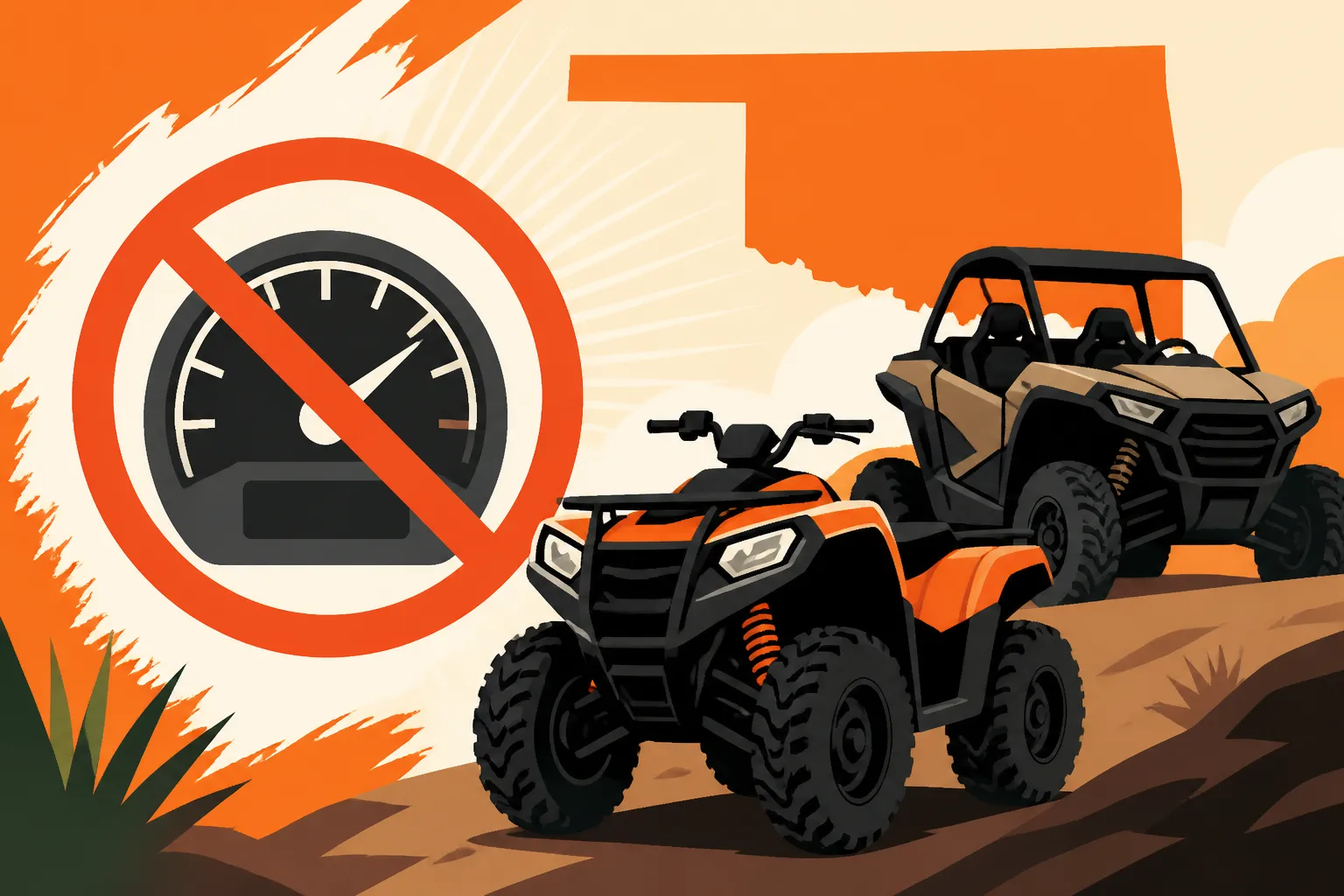
Oklahoma Has No Odometer Rule for ATVs
This is the big takeaway, and it's a huge relief for many owners: [Oklahoma Has No Odometer Rule for ATVs] or UTVs when it comes to titling or registering your machine. That's right, you won't be asked to provide an odometer reading on any of the paperwork you submit to the tag agency. This applies whether you're titling a brand-new side-by-side fresh off the showroom floor or registering a vintage quad that's been in the family for years.
The state's approach here is incredibly pragmatic. By exempting off-road vehicles from odometer disclosure, Oklahoma acknowledges that these machines are often not equipped with reliable mileage trackers, or that such tracking simply isn't a good measure of their wear and tear. It removes a potential hurdle for owners and clerks alike, streamlining a process that could otherwise be bogged down by trying to force an irrelevant requirement onto a specific class of vehicle. This means less guesswork, fewer delays, and a more straightforward experience when you head down to get your paperwork sorted.
How This Differs from Cars, Trucks, and Motorcycles
It's important to understand that this "no odometer rule" for ATVs and UTVs is a specific exemption. If you're dealing with a standard road vehicle in Oklahoma – a car, a pickup truck, or even a street-legal motorcycle – odometer disclosure is absolutely a requirement. For these vehicles, mileage is a critical piece of information that's recorded during every sale and title transfer. This is done for several key reasons:
- Fraud Prevention: Accurate odometer readings help prevent "odometer rollback" fraud, where a seller might alter the odometer to make a vehicle appear to have fewer miles than it actually does, artificially inflating its value.
- Depreciation and Valuation: Mileage is a primary factor in determining a road vehicle's market value and how quickly it depreciates.
- Maintenance Schedules: Many vehicle manufacturers base maintenance schedules on mileage, so accurate tracking is important for ensuring proper upkeep.
- Legal Protections: Odometer laws provide legal recourse for buyers if they discover they've been sold a vehicle with a misrepresented mileage.
Because ATVs and UTVs are primarily designed for off-road use and often don't even have traditional odometers, these concerns are addressed differently. The state's regulations wisely differentiate between these vehicle types, ensuring that the requirements are appropriate for the machine in question. This is a practical distinction that makes sense for the off-road community.
What This Means for Buying and Selling Used ATVs and UTVs in Oklahoma
The absence of an odometer requirement for off-road vehicles in Oklahoma has significant implications for both buyers and sellers in the used market. It shifts the focus from a single, easy-to-read number to a more comprehensive evaluation of the machine.
Private Sales and the Absence of Odometer Statements
When you're involved in a private sale of a used ATV or UTV in Oklahoma, whether you're the one buying or selling, you'll quickly notice that there's no dedicated line item or section on the [Oklahoma ATV Title Requirements] or the bill of sale for an odometer disclosure statement. This is a direct result of Oklahoma's specific rules for these machines.
As a seller, this means you won't need to worry about accurately recording the mileage or certifying its truthfulness. Your primary responsibility is to provide a clear and comprehensive [Oklahoma Bills of Sale for Older Machines] that details the machine's VIN, make, model, year, and the agreed-upon purchase price. It’s also a good idea to note the machine’s condition "as-is" to protect both parties. Services like LawDepot offer customizable bill of sale templates that can help you create a robust document for your transaction, ensuring all important details are covered, even without an odometer reading.
As a buyer, this puts the onus on you to perform thorough due diligence. Since you won't have a legally mandated odometer reading, you'll need to rely on other methods to assess the machine's history and condition. Ask the seller about any available maintenance records, inquire about engine hours (if the machine tracks them), and most importantly, perform a detailed physical inspection. This might involve checking for frame damage, assessing suspension components, looking for fluid leaks, and listening to the engine run. Don't be shy about asking questions about its history and typical usage.
Valuing a Used Off-Road Machine Without Mileage
Without a standard odometer reading, how do you determine the fair market value of a used ATV or UTV in Oklahoma? It comes down to a more holistic assessment, much like valuing other types of specialized equipment. Dealers and private parties typically consider several key factors:
- Year, Make, and Model: Newer machines and popular models from reputable manufacturers generally command higher prices.
- Engine Hours (if available): This is often the closest equivalent to "mileage" for off-road machines and can significantly impact value. Lower engine hours often mean less wear on critical components.
- Overall Condition: This is paramount. Is the chassis straight? Are the plastics cracked or faded? How are the tires and brakes? Does the engine start easily and run smoothly? A well-maintained machine in excellent condition will always fetch more, regardless of theoretical mileage.
- Aftermarket Accessories and Modifications: Winches, light bars, upgraded suspension, plows, and other additions can add value, provided they are quality installations and desirable to the buyer.
- Maintenance History: Records of regular oil changes, belt replacements, and other services are a huge plus, indicating a responsible owner.
When you're looking to buy, it's a good practice to research similar models online, checking various marketplaces to get a feel for pricing. Always factor in the cost of potential repairs or deferred maintenance. And remember, a clear and comprehensive [Oklahoma Declaration of Purchase Price], which you'll need for titling, should accurately reflect the agreed-upon value. A well-drafted bill of sale, perhaps generated using a platform like LawDepot, can serve as a vital record of this agreed value and the machine's condition at the time of sale.
Beyond the Odometer: What Does Matter for Your Oklahoma ATV/UTV Paperwork?
While you can breathe a sigh of relief about not needing an odometer reading, there are still crucial steps and documents you'll need to handle when acquiring and enjoying your ATV or UTV in Oklahoma. Focusing on these legitimate requirements will ensure your off-road adventures are legal and hassle-free.
The Essentials: Title, Registration, and Excise Tax
Even without an odometer rule, Oklahoma takes titling and registration seriously for off-road vehicles. This process ensures proper ownership records and allows the state to track these machines for various purposes.
First and foremost, you will need to get your machine titled. [Oklahoma Titles ATVs and UTVs] and provides a clear record of ownership. This title is your proof that you legally own the machine. Along with titling, you'll need to register your ATV or UTV. This is a one-time process in Oklahoma, unlike annual renewals for cars. The [Oklahoma ATV Registration Cost] is a modest $11, and once it's paid, your machine is registered for its lifetime – a pretty sweet deal for riders! This fee applies when you first title the machine in your name.
You'll also need to account for [Oklahoma Excise Tax at Titling]. Oklahoma assesses a [Oklahoma's 4.5 Percent Excise Tax] on the purchase price of most off-road machines, similar to how it handles other vehicle sales. This tax is paid at the tag agency when you title the machine in your name. It's an important part of the financial picture, so be sure to factor it into your budget when planning a purchase.
Key Documents You Will Need
Forget the odometer, but don't forget these vital pieces of paperwork when you head to the tag agency:
- Manufacturer's Statement of Origin (MSO): If you're buying a brand-new ATV or UTV from a dealer, the [Oklahoma Requires an MSO for a New Machine] to start the titling process. This document is essentially the birth certificate of your machine, proving it's new and that you're the first retail owner. The dealer should provide this to you.
- Bill of Sale: For used machines, especially those bought from a private seller, a robust bill of sale is crucial. The [Oklahoma Bills of Sale for Older Machines] serves as proof of purchase and lists the agreed-upon price. It should include the VIN, make, model, and year of the machine, along with the names and signatures of both the buyer and seller. Again, a service like LawDepot can help you generate a comprehensive bill of sale that captures all the necessary details.
- Declaration of Vehicle Purchase Price: This form, officially known as Form 722-1, is what you'll use to declare the price you paid for the machine to the tag agency. The [Oklahoma Declaration of Purchase Price] is essential for calculating the excise tax. It's a critical document for ensuring the state collects the correct amount.
- Valid Identification: You'll need a current, state-issued ID, like your driver's license, to prove your identity at the tag agency.
- Proof of Oklahoma Address: If you're new to the state or need to confirm your residency, you might be asked for documentation like a utility bill or lease agreement.
The Vehicle Identification Number (VIN) will be the primary identifier for your ATV or UTV throughout its life. Ensure the VIN on your documents matches the physical VIN on the machine. You'll record this number on the [Oklahoma ATV Registration Application Explained] and it will be permanently attached to your title. Focusing on these specific documents and requirements will ensure a smooth process as you prepare your off-road machine for legal use in the Sooner State.
| Feature | Standard Cars & Trucks in Oklahoma | ATVs & UTVs in Oklahoma |
|---|---|---|
| Odometer Disclosure | Mandatory for title/transfer | Not required for title/transfer |
| Primary Mileage Metric | Odometer (miles) | Engine hours (if equipped), overall condition |
| Valuation Factors | Mileage, year, make, model, condition | Year, make, model, engine hours, condition |
| Legal Requirement | Odometer fraud is a serious offense | No specific odometer fraud statutes apply |
| Purpose of Rule | Consumer protection, depreciation | Acknowledges machine's off-road nature |
Disclaimer
This article is for general informational purposes only and does not constitute professional advice. Laws, prices and regulations vary by location and change over time. Consult a qualified professional for guidance on your specific situation.