Oklahoma Registration for an Off-Road Motorcycle
It can be incredibly confusing to figure out the rules for registering an off-road motorcycle in Oklahoma. Many riders come from states where dirt bikes might need specific plates or even yearly renewals, only to find Oklahoma's system seems a little different for these machines. This guide is here to cut through that confusion, explaining exactly what you need to do to register your off-road motorcycle in the Sooner State and what that registration really means for your riding.
Why Your Off-Road Motorcycle Needs Oklahoma Registration
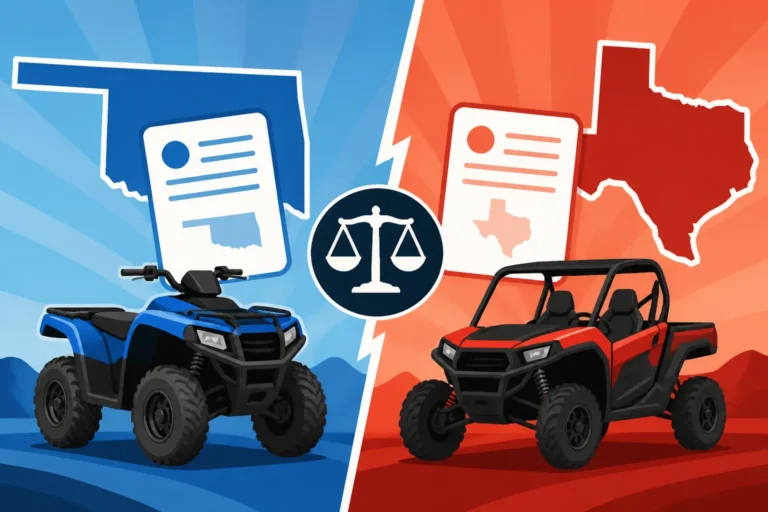
Let's be honest, many of us buy an off-road motorcycle thinking, "It's for dirt, not roads, so why would I need to register it?" It’s a completely valid thought! Especially if you're used to other states where off-road machines are often exempt from any formal registration unless they're converted for street use. However, Oklahoma has a specific framework for off-highway vehicles (OHVs), and that includes dirt bikes and off-road motorcycles that aren't designated as street-legal from the factory.
The main reason Oklahoma wants these machines registered is for identification and to track ownership. Think about it: if your pride and joy is ever stolen, having it registered with the state provides a clear record that helps law enforcement. It also helps with the legitimate transfer of ownership when you sell it down the road, ensuring there's a paper trail to prevent disputes. While it might feel like another hurdle, it's ultimately about accountability and protecting owners.
It’s crucial to understand that we’re talking about true off-road motorcycles here – machines not built or equipped for public road use from the factory. If your motorcycle is designed for the street and happens to also be ridden off-road, that's a whole different set of rules, usually involving annual tags and all the typical street-legal requirements. This guide specifically focuses on those machines intended solely for the dirt, trails, or dunes.
The Registration Process for Your Dirt Bike
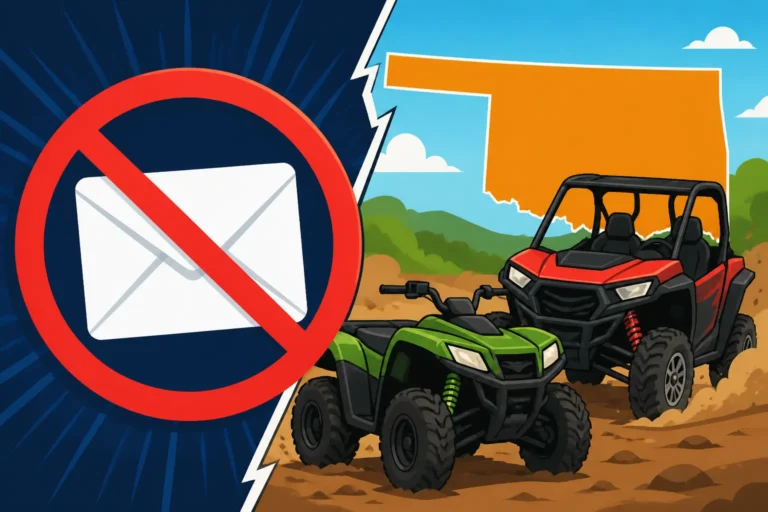
Registering an off-road motorcycle in Oklahoma is surprisingly straightforward, especially compared to the hoops you might jump through for a street-legal vehicle. The good news is that it’s often a one-time deal, similar to how ATVs are handled here. You won't typically be dealing with annual renewal notices arriving in your mailbox.
Gathering Your Essential Paperwork
Before you even think about heading to a tag agency, you'll need to gather the right documents. This step is critical because missing even one piece of paper can send you right back home, frustrated and with no decal. The specific documents depend on whether your off-road motorcycle is brand new or a used machine you bought from a private seller.
If your off-road motorcycle is brand new, straight from the dealership, the most important document you’ll have is the Manufacturer’s Statement of Origin (MSO). This is essentially the birth certificate of your machine. The dealer should provide this to you, along with a bill of sale or invoice that clearly shows the purchase price and details of the motorcycle. Make sure all the information on these documents matches up, especially the Vehicle Identification Number (VIN). [Oklahoma Requires an MSO for a New Machine] is something dealers are very familiar with.
For a used off-road motorcycle, things can be a little different. If the machine already has an Oklahoma title, you'll need that signed over to you. If it's an older machine that might not have been titled in Oklahoma previously, or if it came from a state that doesn't title off-road bikes, you'll generally need a detailed bill of sale. This bill of sale should include the seller's and buyer's full names and addresses, the date of sale, the purchase price, and a clear description of the motorcycle, including its VIN. A good template, perhaps from a resource like LawDepot, can ensure all necessary details are covered to create a rock-solid agreement. You might also need a declaration of purchase price. [Oklahoma Bills of Sale for Older Machines] often requires this level of detail to satisfy the tag agency.
| Document Type | New Off-Road Motorcycle | Used Off-Road Motorcycle (Titled) | Used Off-Road Motorcycle (No Title) |
|---|---|---|---|
| Manufacturer's Statement of Origin (MSO) | Required | Not Applicable | Not Applicable |
| Oklahoma Title (Signed Over) | Not Applicable | Required | Not Applicable |
| Bill of Sale / Invoice | Required (from dealer) | Optional (proof of purchase) | Required (detailed) |
| Valid Photo ID | Required | Required | Required |
| Proof of Oklahoma Residency | Required | Required | Required |
| Declaration of Purchase Price | May be part of dealer paperwork | Required | Required |
Visiting the Tag Agency
Once your paperwork is in order, your next stop is a local Oklahoma tag agency. These are the folks who handle vehicle registrations, titles, and tags across the state. You’ll bring all your documents, your photo ID, and be prepared to pay the necessary fees. The process is usually quick and painless if you have everything ready.
Unlike street-legal motorcycles or cars, off-road motorcycles typically aren't subject to the same rigorous inspection requirements. For example, [Oklahoma Has No Out-of-State VIN Inspection] requirements for off-road machines, which is a huge relief if you bought your dirt bike in a neighboring state like Texas or Arkansas. They're primarily interested in the paperwork, the VIN on the machine matching the paperwork, and collecting the one-time registration fee.
The fee itself for off-road motorcycles is generally a modest, one-time charge. For ATVs and UTVs, it's a small fee that provides a decal that never needs renewal, and off-road motorcycles typically fall under a similar structure. [Oklahoma Charges $11 at Titling] for ATVs, and you can expect a comparable, low figure for your dirt bike. This fee registers the machine in your name and gets you that crucial front decal.
Receiving Your Decal
After successfully completing the registration process, you'll be issued a registration decal. For off-road motorcycles, this decal is typically affixed to the front fork of the machine, making it visible for identification. [Oklahoma Decals on a Motorcycle Fork] is the standard placement, designed to be seen easily without interfering with your riding. This decal is your proof that your off-road motorcycle is properly registered in Oklahoma.
Remember, this is not a traditional license plate that you'd see on a street bike. It's specifically an off-highway vehicle registration decal. And once you have it, you're good to go. [Oklahoma Registration Never Renews], meaning you won't get caught off guard by an unexpected bill next year. It’s truly a one-and-done kind of deal, which is a big relief for many riders!
What Your Oklahoma Off-Road Motorcycle Registration Means for Riding
Having your off-road motorcycle registered in Oklahoma is a good step, but it's vital to understand what that registration does – and doesn't – permit you to do. Many riders assume that any form of registration means they can ride anywhere, but that's not always the case with off-road machines.
Off-Road Use Primarily
The primary purpose of registering your off-road motorcycle in Oklahoma is to allow you to legally operate it on designated off-road trails, private property (with permission!), and at OHV parks. Places like Little Sahara State Park, Robbers Cave OHV Area, or private riding parks will expect your machine to be properly registered if it's not a street-legal vehicle. This registration helps confirm ownership and compliance with state regulations for recreational use.
It ensures that if there's ever an incident on the trails, or if you simply need to prove ownership, you have the state's backing. Think of it as your machine's official identity card for the off-road world in Oklahoma. It's a foundational step to responsible and legal trail riding within the state.
Limitations on Public Roads
Here's where many riders get confused and can inadvertently run into trouble. An off-road motorcycle registration does not automatically grant you permission to ride your dirt bike on public roads, county roads, or city streets. Oklahoma has very specific laws regarding the operation of OHVs on public thoroughfares, and generally, off-road motorcycles are restricted from these areas unless they meet stringent street-legal conversion requirements and are plated as such.
You cannot just ride your registered dirt bike down the road to a friend's house or to the nearest gas station. This is a common mistake that can lead to a citation. While there are some very limited exceptions, such as crossing a highway under specific conditions ([Oklahoma Highway Crossings in Daylight] rules apply, usually requiring daylight and specific speed limits), these are not blanket permissions for road use. Even county roads, which might seem less regulated, are generally off-limits unless specifically designated open by local authorities. [Oklahoma ATV Road Rules Under 11-1116] outlines these restrictions, and they extend to off-road motorcycles as well.
If you want to ride your dirt bike on public roads, it needs to be legally converted to a street-legal motorcycle, which involves adding headlights, taillights, turn signals, mirrors, a horn, and passing a state inspection, among other things. Only then would it receive a traditional motorcycle license plate and annual registration, completely separate from its off-road registration.
Common Misconceptions and Troubleshooting
Even with the process laid out, specific situations can throw a wrench in the works. Let's tackle some common questions and tricky scenarios riders encounter with off-road motorcycle registration in Oklahoma.
What if I Bought an Off-Road Motorcycle with No Paperwork?
This is a common headache, especially with older machines or those bought informally. You show up at the tag agency with a cool dirt bike, but the previous owner only gave you a handwritten note, or worse, nothing at all. Oklahoma's tag agencies need proof of ownership to register a machine.
If you don't have a proper bill of sale or previous title, you might be in for a more complex process. You could try to track down the previous owner for proper paperwork. In some cases, if the machine is old enough and a verifiable owner can't be found, you might need to pursue a bonded title or a court order, but this is usually for street vehicles. For off-road machines, if you truly have no documentation, your best bet is often a sworn affidavit or a detailed bill of sale with as much information as possible. Services like LawDepot offer templates for affidavits of ownership that might be accepted, depending on the specifics and the tag agency's discretion. It's always best to have a robust [Oklahoma Registration Without a Bill of Sale] process in mind when buying used.
The "Older Machine" Conundrum
Some riders own older dirt bikes that predate many of the modern registration requirements or simply never had a title issued. Oklahoma acknowledges that not all older machines will have a perfect chain of title. For instance, [Oklahoma Skips Chain of Title for Old Machines] in some ATV cases, recognizing that sometimes historical records just aren't there. If your off-road motorcycle is genuinely vintage, you’ll still need to provide as much proof of ownership as possible, like a detailed bill of sale or an affidavit. The tag agency will guide you on what’s needed, but having a strong initial set of documents will always simplify things.
Lost Decal or Faded Sticker
Life happens. Maybe your decal peeled off during a particularly muddy ride, or the Oklahoma sun has faded it beyond recognition. Don’t panic! You can typically get a replacement decal from any Oklahoma tag agency. You'll need to bring your registration paperwork and photo ID. There will likely be a small fee for the duplicate, but it's a quick fix to ensure you remain compliant. Just make sure you replace it promptly, as riding without a visible, valid decal can draw unwanted attention from authorities.
What About Out-of-State Machines?
If you're new to Oklahoma and brought your off-road motorcycle with you, or you bought one from a neighboring state, you'll follow the same registration process as described above. The key is still providing proof of ownership – an out-of-state title, registration, or a clear bill of sale from the previous owner. As mentioned, the good news is that [Oklahoma Has No Out-of-State VIN Inspection] requirements for off-road machines, which simplifies things considerably compared to bringing a car or street motorcycle across state lines.
Ultimately, registering your off-road motorcycle in Oklahoma is a small, one-time investment that ensures you're riding legally and responsibly. It protects you as an owner and clarifies your machine's status within the state's OHV regulations, freeing you up to enjoy the incredible trails and riding areas Oklahoma has to offer.
Disclaimer
This article is for general informational purposes only and does not constitute professional advice. Laws, prices and regulations vary by location and change over time. Consult a qualified professional for guidance on your specific situation.