Oklahoma Registration for a New Resident
Moving to a new state can be a whirlwind of unpacking boxes, finding new favorite coffee shops, and figuring out all the local rules. When you’ve got an ATV or UTV, one of those crucial tasks is getting your off-road machine properly registered and titled in Oklahoma. It’s a process that can feel confusing when you're used to a different state's system, but this guide is here to walk you through exactly what you need to do to get your quad or side-by-side legal in the Sooner State.
Understanding Oklahoma's Unique Approach to Off-Road Machines
First things first, let's clear up some common misunderstandings many new Oklahoma residents have when it comes to ATV and UTV registration. What you're used to from your previous state might be completely different here, and it's important to adjust your expectations right away to avoid frustration or delays. Oklahoma has a somewhat distinctive system that surprises a lot of folks, especially those from states with annual renewals or different titling requirements.
In Oklahoma, the registration for ATVs and UTVs is a one-time affair. Yes, you read that right – one time. There's no annual renewal to worry about, no yearly sticker to buy. This is often a huge relief for new residents who might be accustomed to a yearly fee and paperwork hassle. You pay a small fee, get your decal, and you're set. This is a crucial distinction from many other states that treat off-road machines more like street vehicles with recurring fees. Many riders are surprised to learn that [Oklahoma Registration Never Renews], a real perk of living here!
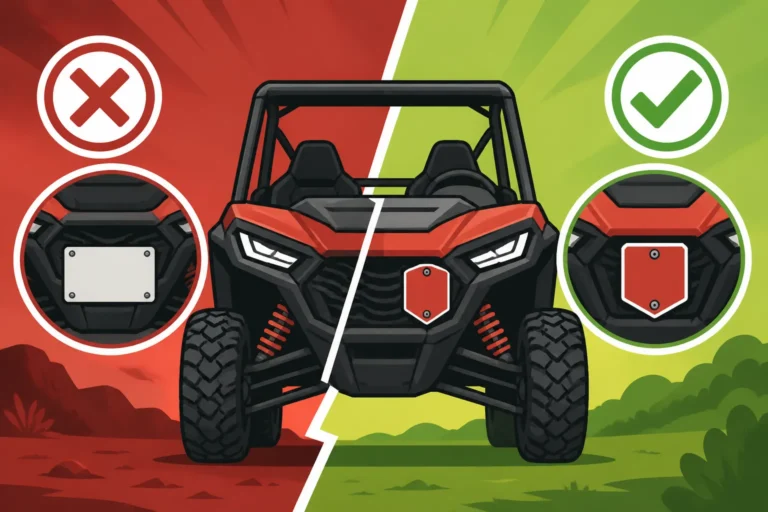
Another unique aspect is that Oklahoma issues a front decal for your machine, not a traditional license plate. While many states use plates or rear stickers, here you'll be putting a decal prominently on the front of your ATV or UTV. This small detail can sometimes trip up new residents who aren't looking for a decal. Understanding these core differences upfront can save you a lot of head-scratching when you head to the tag agency. You'll find that [Oklahoma Issues a Front Decal, Not a Plate].
Gathering Your Essential Documents as a New Resident
When you walk into an Oklahoma tag agency, you'll want to be as prepared as possible. The last thing anyone wants is to make multiple trips because of missing paperwork. For new residents, this can be a bit more involved than for someone who bought their machine here, so let’s break down what you’ll likely need.
Your first step should be to gather all the ownership documents from your previous state. This includes any title, certificate of origin, registration card, or bill of sale you received when you originally purchased your ATV or UTV. The more documentation you have, the smoother the process will be. Even if your old state didn't issue titles for off-road machines, bring whatever proof of ownership you do possess. A good rule of thumb is: if it proves you own it, bring it.
Oklahoma generally requires a Manufacturer's Statement of Origin (MSO) for new machines, or a title for used machines. If your machine was new when you bought it out-of-state and you still have the MSO, bring that. If it's a used machine and your previous state issued a title, bring that original title. If your previous state did not title ATVs or UTVs, which is common for older machines or certain classes of off-road vehicles, you’ll typically need to provide a bill of sale and, potentially, other proofs of ownership. This is where many new residents from non-titling states find themselves in a bind, so make sure your bill of sale is robust and clearly identifies the machine, the buyer, the seller, and the purchase price. If you need a solid bill of sale, especially for an older machine, services like LawDepot can help you generate a legally sound document that covers all the necessary bases. This ensures you have clear evidence of ownership, which is paramount in Oklahoma.
You will also need proof of your Oklahoma residency. This could be your Oklahoma driver's license, a utility bill in your name at your new Oklahoma address, or other official mail. The tag agency needs to confirm that you are indeed a resident of the state and eligible to register your machine here. Remember, you'll need to update your driver's license to Oklahoma as well, and sometimes doing that first can make the ATV registration process a bit smoother as your new address is already in the system.
Navigating the Oklahoma Titling and Registration Process
Once you have your documents in hand, you're ready to head to an Oklahoma tag agency. These agencies are local businesses authorized by the state to handle vehicle and off-road machine transactions. You'll often find them tucked into strip malls or local business districts, and their services can vary slightly. It’s always a good idea to call ahead or check their website for specific hours or any unique requirements.
When you arrive, you’ll likely be asked to fill out an application for title and registration. This form will ask for details about your machine, including the Vehicle Identification Number (VIN), make, model, and year. Ensure all information is accurate to avoid any holdups. Don't worry about needing a [Oklahoma Has No Out-of-State VIN Inspection], which simplifies things for new residents. For older machines, you might also need a [Oklahoma Bills of Sale for Older Machines] and potentially a [Oklahoma Declaration of Purchase Price] if you don't have a dealer invoice.
One of the most important things to note is Oklahoma’s excise tax. When you title an ATV or UTV in Oklahoma, you will owe an excise tax based on the purchase price of the machine. This is a one-time tax, separate from the registration fee. Even if you paid sales tax in your previous state, Oklahoma will typically assess its own excise tax upon titling. This can be a surprise expense for many, so it’s wise to budget for it. You can learn more about [Oklahoma Excise Tax at Titling]. However, if you brought your machine in before the cutoff dates of July 2005 for ATVs or July 2008 for UTVs, your situation might be a bit different, potentially falling under [Oklahoma's 2005 and 2008 Cutoff Dates].
Here’s a breakdown of the documents you should be ready to present:
| Document Type | New Machine (from out-of-state) | Used Machine (from out-of-state, titled) | Used Machine (from out-of-state, not titled) |
|---|---|---|---|
| Original MSO | Required | Not Applicable | Not Applicable |
| Out-of-State Title | Not Applicable | Required (original) | Not Applicable |
| Bill of Sale (detailed) | For proof of purchase/price | For proof of purchase/price | Required (detailed, preferably notarized) |
| Proof of Oklahoma Residency | Required | Required | Required |
| Valid Photo ID | Required | Required | Required |
| Declaration of Vehicle Purchase Price | Potentially (if no other proof) | Potentially (if no other proof) | Potentially (if no other proof) |
| Odometer Reading | Not Required (for ATVs/UTVs) | Not Required (for ATVs/UTVs) | Not Required (for ATVs/UTVs) |
Once everything is submitted and the fees (including the excise tax and the registration fee) are paid, you’ll receive your new Oklahoma title and your registration decal. The registration decal is what you'll affix to the front of your machine, signifying that it's properly registered in the state. Remember, this decal is permanent; you won't get a new one every year because [Oklahoma ATV Registration You Pay Once].
Special Considerations and Common Questions
Moving states with an ATV or UTV can bring up unique situations. Let’s address a few common questions and potential pitfalls new residents face.
What if my previous state didn't issue titles for off-road vehicles? This is a very common scenario, especially for older ATVs or machines from states with different titling laws. If you don't have an out-of-state title, the tag agency will rely heavily on your bill of sale and other supporting documents to establish ownership. Make sure your bill of sale is comprehensive and includes the full names and addresses of both buyer and seller, the date of sale, the purchase price, and a complete description of the ATV or UTV, including its VIN. If you're nervous about the legitimacy of a handwritten bill of sale, consider using a template from a service like LawDepot to ensure it meets legal standards. Having a professionally generated document can sometimes smooth the process when you're dealing with unique circumstances. In this case, you'll be looking at [Oklahoma Registration Without a Bill of Sale] as a guide, but a robust bill of sale will be your best friend.
Another point of confusion for new residents often revolves around the registration deadline. Oklahoma requires you to register your off-road machine within 30 days of establishing residency or bringing the machine into the state. Missing this window can result in late fees. While [Oklahoma Late Penalties Capped at $100], it's always best to get it done promptly to avoid any extra costs. Familiarize yourself with [Oklahoma's 30-Day Registration Deadline] to stay on track.
Lastly, some new residents wonder about insurance requirements. While street-legal UTVs in Oklahoma will require insurance for their annual road plate, for most off-road ATVs and UTVs used strictly off-highway, Oklahoma law does not mandate liability insurance for registration. However, that doesn't mean it's a good idea to go without it. Many riders choose to carry off-road vehicle insurance for protection against theft, damage, or liability if an accident occurs. It’s always wise to check with your insurance provider for options that fit your riding style and needs.
Getting your ATV or UTV set up in Oklahoma as a new resident might seem like a lot of steps, but by understanding Oklahoma's unique system, gathering your documents, and knowing what to expect at the tag agency, you'll be hitting the trails with peace of mind in no time.
Disclaimer
This article is for general informational purposes only and does not constitute professional advice. Laws, prices and regulations vary by location and change over time. Consult a qualified professional for guidance on your specific situation.