Why an ATV Title Has No Odometer Reading
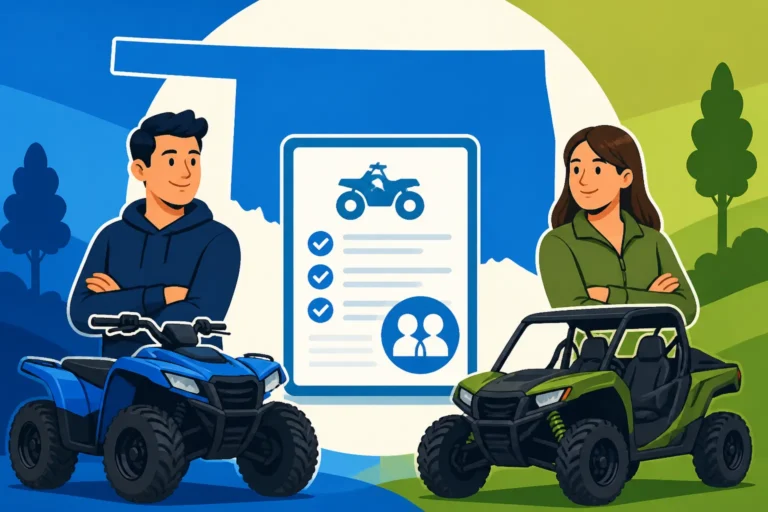
One of the questions that often puzzles new ATV or UTV owners, or those looking to buy a used machine in Oklahoma, is why the title document seems to omit a crucial piece of information found on car titles: the odometer reading. It's a valid concern, especially when you're used to a vehicle's mileage being a primary indicator of its life and wear. This guide will dive deep into why your Oklahoma ATV or UTV title won't show an odometer reading and what that means for you as an owner or a prospective buyer.
The Unique Nature of Off-Road Vehicles and Mileage Tracking
Let's face it, an ATV or UTV isn't like your everyday car, truck, or SUV. These machines are built for different purposes, traverse different terrains, and, consequently, are measured by entirely different metrics. The very nature of off-road riding makes a traditional odometer reading far less relevant than it would be for a vehicle that spends its life on paved roads.
When you're tearing through a sandy trail at Little Sahara, navigating rocky terrain at Robbers Cave, or simply zipping around your ranch, the wear and tear on your machine isn't solely, or even primarily, dictated by how many miles you've covered. Factors like engine RPMs, the duration of heavy loads, the type of terrain, and the sheer number of hours the engine has been running often tell a much more accurate story of a machine's life than a simple mile count ever could. Imagine spending an entire afternoon slowly crawling over technical obstacles – your mileage might be minimal, but your engine and drivetrain have been working incredibly hard.
Why ATVs and UTVs Don't Have Odometers Like Cars
The fundamental design and operational environment of an ATV or UTV are the main reasons why odometers are largely absent or, if present, not a primary focus. Manufacturers design these machines for specific off-road tasks, where speed and distance are secondary to power, torque, and engine endurance. A car's odometer measures distance traveled, which directly correlates to tire wear, suspension cycles, and engine revolutions in a predictable way on paved roads. For an off-road vehicle, the same distance could mean a gentle cruise on a gravel path or an intense workout slogging through deep mud, each impacting the machine very differently.
Moreover, many off-road vehicles operate at varying speeds, often for extended periods at low speeds, or even idling while stationary. In these scenarios, the engine is still accumulating wear and tear, consuming fuel, and undergoing internal cycles, but the odometer might barely tick up. This disconnect between engine effort and distance covered renders a simple odometer reading an incomplete, and often misleading, indicator of a machine's true condition.
Hour Meters vs. Odometers: A Different Metric
Instead of odometers, many modern ATVs and UTVs come equipped with hour meters. These devices, much like those found on industrial equipment or small aircraft, track the actual number of hours the engine has been running. This is often considered a much more accurate representation of the machine's workload and overall life for several key reasons.
An hour meter accounts for all engine run time, whether the machine is moving, idling, or performing strenuous work at low speeds. For example, a UTV used for spraying fields on a ranch might accumulate many hours with very few miles, but those hours represent significant engine activity. Similarly, a sport quad might rack up hours in sand dunes, where engine RPMs are high, but the distance covered is relatively small due to the nature of dune riding. These hour readings, combined with regular maintenance records, provide a much more comprehensive picture of a machine's history than a speedometer-driven odometer ever could. This distinction is crucial when you consider Why an ATV Title Has No Odometer Reading.
The Legal Framework Behind Odometer Exemptions in Oklahoma
The absence of an odometer reading on an ATV or UTV title in Oklahoma isn't an oversight or a mistake; it's a deliberate reflection of state and federal regulations that acknowledge the unique characteristics of these vehicles. Unlike passenger cars, which are primarily designed for public road use and are subject to stringent odometer disclosure laws, off-road vehicles fall into a different classification. This legal distinction helps streamline the titling process for machines not intended for mileage-based assessment.
Oklahoma's statutes, like those in many other states, make specific provisions for off-road recreational vehicles, often grouping them separately from on-road automobiles when it comes to titling and registration requirements. Because the primary use of these machines is typically not on public highways where mileage is a significant factor for vehicle valuation, emissions, and safety inspections, the state doesn't mandate odometer readings for their titles. This approach simplifies the administrative burden for both owners and the state, focusing on identification and ownership rather than mileage-based disclosures. [Oklahoma Titles ATVs and UTVs] are handled with this understanding in mind.
Oklahoma's Specific Statutes for Off-Road Vehicles
In Oklahoma, the laws governing off-road vehicles like ATVs and UTVs recognize their distinct role. The state legislature has carved out specific exemptions and rules for these machines, particularly concerning title information. While you'll definitely need an [Oklahoma ATV Title Requirements] when you purchase a new or used machine, the forms you fill out, and the resulting title certificate, will not have a line item for an odometer disclosure. This is consistent across the board, whether you're titling a brand-new side-by-side or registering an older quad.
The state's Department of Public Safety and its tag agencies operate under these guidelines, which means they don't collect odometer information for ATVs and UTVs, nor do they print it on the official title document. This legal stance reflects a practical understanding that forcing an odometer requirement on vehicles designed for environments where mileage is an inconsistent measure would create unnecessary complexities and potentially misleading data.
Federal Odometer Disclosure Laws and Exemptions
Beyond state-specific regulations, federal laws also play a role in this exemption. The National Highway Traffic Safety Administration (NHTSA) sets standards for odometer disclosure on vehicle titles to protect consumers from odometer fraud. However, these federal laws typically apply to "motor vehicles" as defined for on-road use. Off-road vehicles, such as ATVs and UTVs, often fall outside this primary scope or are specifically exempted due to their classification.
Federal regulations often grant exemptions for vehicles that are not self-propelled, are not manufactured primarily for use on public streets, roads, or highways, or are over a certain age. Since ATVs and UTVs fit the description of vehicles not primarily manufactured for highway use, they are generally exempt from the strict federal odometer disclosure requirements that apply to passenger cars. This federal backing further reinforces why states like Oklahoma don't require this information on titles for these types of machines. [Oklahoma Has No Odometer Rule for ATVs] because of this confluence of state and federal understanding.
Historical Context: When These Rules Took Shape
The current rules regarding ATV and UTV titling, including the lack of odometer readings, haven't always been in place. There have been significant legislative changes over the years that have shaped how these machines are classified and regulated. For instance, in Oklahoma, cutoff dates like [Oklahoma ATV Cutoff of July 2005] and [Oklahoma UTV Cutoff of July 2008] played a huge role in determining which machines need a title and which might be exempt from certain titling procedures, particularly for older units.
Before these dates, many off-road machines were treated more like unregulated recreational equipment, with no formal titling process. As the popularity and use of ATVs and UTVs grew, so did the need for proper identification and ownership records to combat theft and facilitate legal transactions. When these titling laws were established, lawmakers recognized the fundamental difference in how these machines are used compared to cars, leading to the decision to omit odometer readings from their titles. This historical evolution underscores the practical considerations that shaped today's titling procedures.
What This Means for Buying and Selling ATVs in Oklahoma
When you're looking to buy a used ATV or UTV in Oklahoma, or preparing to sell your own, the absence of an odometer reading on the title certificate has significant implications. It means you can't rely on a simple mileage number to gauge the machine's condition, as you would with a car. This shifts the focus from a single figure to a more holistic assessment of the vehicle.
For buyers, this requires a more diligent approach to pre-purchase inspections and a deeper understanding of what to look for beyond mere numbers. For sellers, it means being transparent about the machine's history, maintenance, and usage, as these factors become the primary selling points. Understanding these nuances is key to a smooth and fair transaction, protecting both parties in a market where traditional mileage disclosures simply don't apply.
No Odometer Disclosure on the Title Document
The most direct consequence is that when you visit an Oklahoma tag agency to transfer ownership, or if you receive a title from a private seller, you won't find a box or a line for an odometer reading. The official document is clean of this information. This can sometimes feel unnerving, especially if you're accustomed to the highly regulated process of buying a used car where odometer fraud is a serious concern.
However, this doesn't mean you're left completely in the dark. Instead, the focus shifts to other forms of documentation and physical inspection. You'll need to pay closer attention to service records, the presence and reading of an hour meter, and the overall physical condition of the machine. The title's purpose for an ATV or UTV in Oklahoma is primarily to establish legal ownership and facilitate sales, not to certify mileage.
Assessing Wear and Tear Without a Mileage Count
So, without an odometer, how do you really know how much life a used ATV or UTV has left? It comes down to a thorough inspection and gathering as much information as possible from the seller. Start by looking for an hour meter, which, as discussed, is often a better indicator. Note the number of hours and ask the seller about the typical use during that time (e.g., trail riding, farm work, dune climbing).
Beyond the hour meter, you'll need to visually inspect the machine for signs of wear. Look at the condition of the tires, suspension components, frame, body plastics, and the engine itself. Are there excessive leaks? Does it start easily? Listen to the engine for unusual noises. Check the drive belt, brakes, and steering for play. Asking for maintenance records – such as oil changes, filter replacements, and belt services – is also crucial. A well-maintained machine with higher hours can often be in better condition than a low-hour machine that's been neglected. When negotiating a price or agreeing to terms, resources like LawDepot can provide templates for a comprehensive bill of sale that allows you to document these important details about the machine's condition and history, even without an odometer reading.
Paperwork for Private Sales: The Bill of Sale
Because the title won't contain an odometer reading, the bill of sale becomes an even more critical document in a private sale of an ATV or UTV in Oklahoma. This document is your opportunity to record all pertinent details about the transaction and the machine itself. It should clearly identify both the buyer and seller, the sale price, and a detailed description of the ATV or UTV, including its make, model, year, and crucially, its Vehicle Identification Number (VIN). [Oklahoma Bills of Sale for Older Machines] are especially important for clarity.
While you won't list an odometer reading, you can (and should) include the hour meter reading if the machine has one. You might also want to include a statement about the general condition of the machine "as is" or note any known issues agreed upon by both parties. Using a robust template, perhaps one from a service like LawDepot, ensures you cover all the necessary bases. This helps protect both the buyer and seller by providing a clear record of the transaction and the machine's state at the time of sale. Don't forget that you'll also likely need an [Oklahoma Declaration of Purchase Price] to submit to the tag agency during the titling process.
Recording Machine Usage When There's No Odometer
Given that titles don't carry odometer information, and not all machines even have a factory-installed hour meter, how do ATV and UTV owners in Oklahoma keep track of their machine's usage? It's a common question, and the answer often involves a combination of factory features, aftermarket additions, and good old-fashioned record-keeping. For those serious about maintenance and resale value, understanding how to track usage effectively is paramount.
Without a standardized odometer, owners have to be proactive. This might seem like an extra step, but it often leads to a more personalized and accurate understanding of a machine's life than a generic mileage counter ever could provide. From knowing when to schedule routine maintenance to providing crucial information to a potential buyer, diligent usage tracking serves multiple important purposes.
The Role of Hour Meters on Many Modern Machines
As previously mentioned, many modern ATVs and UTVs, particularly those manufactured in the last decade or so, come standard with a digital hour meter built into the display. This is a very common feature, and it's by far the most reliable and widely accepted method for tracking usage in the absence of an odometer. These hour meters typically track engine run-time, giving a precise measure of how long the engine has been in operation.
If your machine has an hour meter, treating that reading as you would an odometer for a car is a good practice. Note its reading before and after major rides, and definitely record it when performing maintenance. This consistent tracking is invaluable for setting maintenance schedules, troubleshooting potential issues, and substantiating the machine's usage history when it comes time to sell. Always verify the hour meter is working correctly when buying or selling, as a non-functional meter can be a red flag.
Why an Hour Meter Isn't Always Required or Present
While hour meters are common, they aren't universally mandated on all ATVs and UTVs. Older machines, or some more basic utility models, might not have come equipped with one from the factory. In these cases, owners often choose to install an aftermarket hour meter, which can be a relatively inexpensive and simple upgrade. These aftermarket units typically attach to the spark plug wire and detect engine vibrations or electrical impulses to track run time.
However, if a machine lacks an hour meter, either factory or aftermarket, tracking usage becomes more challenging. This is where personal responsibility comes into play. Without any mechanical device to record usage, owners must rely on other methods, which, while less precise, can still provide valuable insights into a machine's history. This scenario is particularly common with [Registering a Quad Bought Before July 2005], which might predate common hour meter installations.
Manual Logbooks and Maintenance Records
For machines without an hour meter, or even as a supplement to one, a manual logbook and meticulous maintenance records become your best friend. This might seem old-fashioned, but keeping a notebook where you jot down dates of rides, approximate duration, type of riding (e.g., "3-hour trail ride at Robbers Cave"), and any specific observations about the machine's performance can build a surprisingly robust history.
Alongside usage logs, comprehensive maintenance records are crucial. Document every oil change, tire rotation, belt replacement, filter change, and any repairs. Note the date, the type of service, and if available, the hour meter reading at the time. Keep receipts for parts and services. Not only do these records help you stay on top of your machine's health, but they also become invaluable proof of care and usage when you eventually sell. A well-documented history, even without a formal odometer, speaks volumes about an owner's diligence and the machine's true condition.
| Feature / Consideration | Road-Legal Car/Truck | Off-Road ATV/UTV (Oklahoma) |
|---|---|---|
| Primary Usage | Public roads, highways | Trails, private land, farms |
| Odometer on Title | Yes, mandatory | No, specifically exempt |
| Odometer Disclosure | Federal & state mandate | Not required |
| Primary Usage Metric | Miles traveled | Engine hours / Condition |
| Fraud Protection | Odometer tampering laws | Focus on VIN, physical insp. |
| Valuation Factors | Mileage, condition, age | Hour meter (if present), condition, age, maintenance history, specific use-case |
| Key Sale Document | Title, Odometer Disclosure | Title, comprehensive Bill of Sale, maintenance records |
Practical Considerations for Owners and Buyers
Navigating the world of ATVs and UTVs without the familiar comfort of an odometer reading on the title means both owners and buyers need to adjust their expectations and practices. It's not about being less thorough, but about being thorough in different ways. Understanding these practical considerations can prevent misunderstandings, ensure fair deals, and help you get the most out of your off-road machine, whether you're bringing one home or sending one off to a new adventure.
The primary takeaway is that transparency and diligent inspection become even more paramount. For owners, this means proactive record-keeping and honest disclosure. For buyers, it means asking the right questions, performing detailed inspections, and potentially bringing in expert help. This approach fosters a healthier and more trustworthy market for off-road vehicles in Oklahoma.
Evaluating a Used Machine's Condition Beyond the Miles
When you're eyeing a used ATV or UTV, you need to become a bit of a detective. Since mileage isn't a factor, you're looking for physical evidence of wear and tear that tells the real story. Start with the overall appearance: deep scratches, dents, or broken plastics can indicate hard use or rollovers. Check the frame for bends, cracks, or re-welds, which can signal significant damage.
Next, focus on the moving parts. The suspension should feel firm, not excessively bouncy, and there shouldn't be any major leaks from the shocks. Check the wheel bearings for play and the tires for uneven wear, which could point to alignment issues or bent components. Get down and look at the underside for skid plate damage, bent tie rods, or busted CV boots. Pay close attention to the drivetrain: is there excessive slack in the chain (for quads), or are the axles straight and free of damage (for UTVs)? Finally, start the machine. Does it start easily? Does it idle smoothly? Take it for a test ride if possible, and listen for unusual noises, feel for vibrations, and check how it shifts and brakes. This holistic evaluation is far more telling than a number on a dial.
Protecting Yourself in a Private Sale
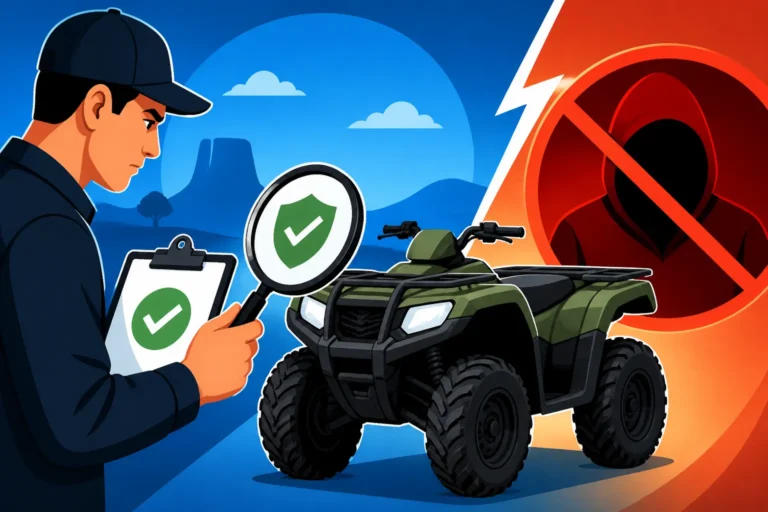
Buying or selling a used ATV or UTV in a private sale, without an odometer disclosure, puts a greater emphasis on due diligence. As a buyer, always request to see the physical title and verify that the VIN on the title matches the VIN stamped on the machine itself. This is your primary defense against buying a stolen vehicle. You can also run the VIN through online databases, or even contact a tag agency, to check for reported theft or lien information.
As a seller, be prepared to answer questions about the machine's history, usage, and maintenance. Honesty goes a long way in building trust. Provide any maintenance records or logbooks you've kept. When drafting your bill of sale, be as detailed as possible, including the hour meter reading if applicable, and explicitly state that the sale is "as is" if that's the agreement. Services like LawDepot can provide robust bill of sale templates that help ensure all crucial details are covered, protecting both parties. Always complete the title transfer promptly at a local tag agency or through Service Oklahoma after the sale is finalized to avoid future headaches.
Long-Term Value and Resale Without an Odometer
For owners who plan to keep their ATV or UTV for a while, understanding the impact of no odometer reading on long-term value and eventual resale is important. Your machine's value will be much more closely tied to its physical condition, perceived care, and documentation of maintenance. A clean, well-maintained machine with a detailed service history will always command a higher price than a visually similar machine that looks neglected, regardless of how many hours it has accumulated.
Consider investing in aftermarket accessories that protect the machine, like skid plates or A-arm guards, if you ride in rough terrain. Regular cleaning, proper storage, and addressing small issues before they become big problems will pay dividends. When it's time to sell, being able to provide a buyer with a folder full of maintenance receipts, a log of usage, and a clear account of the machine's life will instill confidence and help justify your asking price. The lack of an odometer isn't a hindrance to resale, as long as you can present a transparent and compelling case for your machine's condition and history.
Disclaimer
This article is for general informational purposes only and does not constitute professional advice. Laws, prices and regulations vary by location and change over time. Consult a qualified professional for guidance on your specific situation.