Oklahoma Decals on the Front of a Machine
Navigating the ins and outs of registering your ATV or UTV in Oklahoma can sometimes feel like trying to read a trail map upside down. One common head-scratcher for many off-road enthusiasts, especially those new to the Sooner State or getting their first machine, is figuring out exactly where that registration decal is supposed to go. It’s a small detail, but getting it wrong can lead to unnecessary hassle or even a citation. This comprehensive guide is designed to clear up all the confusion, walking you through why Oklahoma places decals on the front of your machine, how to properly affix it, and what to do if it ever gets lost or damaged, ensuring you're compliant and ready for your next adventure.
Understanding Oklahoma's Unique Decal Requirement
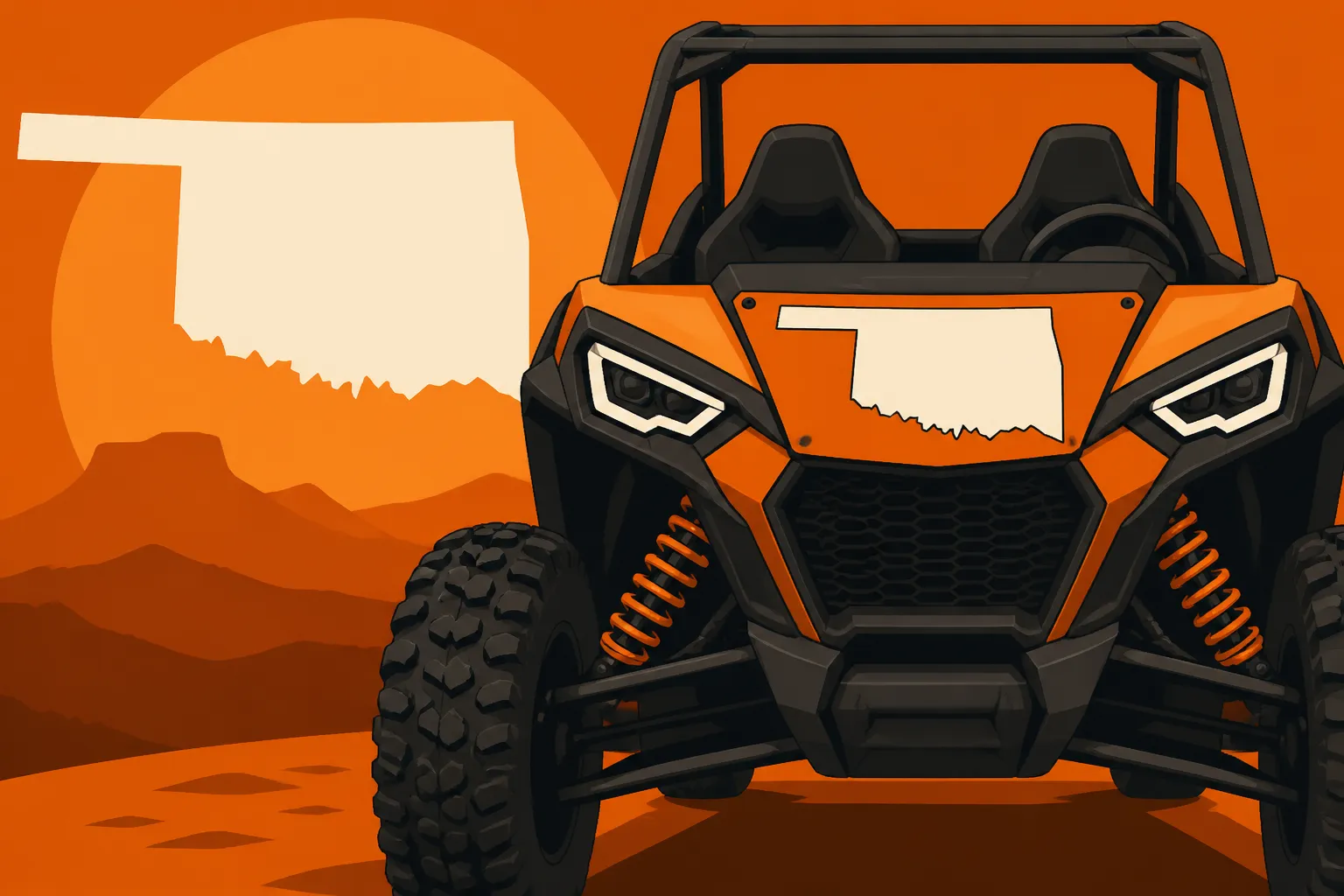
Oklahoma has a few quirks when it comes to registering off-road vehicles, and the placement of your registration decal is definitely one of them. Unlike most states or even other vehicles within Oklahoma, your ATV or UTV won't be sporting a traditional license plate on the rear. Instead, you'll be affixing a single, specific decal to the front of your machine, and understanding why this is the case is the first step toward hassle-free riding.
Why Oklahoma Chooses a Front Decal
When you think about vehicle registration, your mind probably jumps to a license plate on the back of a car, or maybe a small sticker on a motorcycle fender. Oklahoma veers off that beaten path for ATVs and UTVs, opting for a prominent decal on the front. This isn't just a random choice; it's a practical one rooted in the realities of off-road enforcement and machine design. Imagine a game warden or a county deputy needing to quickly identify a machine on a dusty trail or through a thicket. A rear plate or decal is far more likely to be obscured by mud, dirt, a gear bag, or even a passenger. The front, however, often provides a clearer, more consistent visibility point, making it easier for officials to confirm that your machine is properly registered. This front placement ensures that the necessary identifying information is readily accessible, allowing for quicker and more efficient checks while you're out enjoying the trails.
The decision to place the decal on the front also acknowledges the typical usage of ATVs and UTVs. These machines are built for rugged environments, often hauling equipment, crossing creeks, or powering through challenging terrain. The rear of the machine is frequently subjected to more spray, mud, and potential impact. By contrast, the front, while not immune to the elements, often provides a more protected and stable surface for a decal to remain legible and securely attached. It's a pragmatic approach that differentiates off-road vehicles from their on-road counterparts, where rear identification is the norm. For a deeper dive into this unique system, check out [Oklahoma Issues a Front Decal, Not a Plate].
This isn't just about avoiding mud, though. The front decal serves as a direct, unambiguous identifier that your machine has completed the necessary registration process. It simplifies the work for enforcement agencies who are looking for quick visual confirmation. When you see a vehicle with a front decal, you immediately know it's a registered off-highway vehicle under Oklahoma law. This clarity helps streamline enforcement and minimize roadside stops for riders who are already compliant, ensuring that your leisure time isn't interrupted by unnecessary checks.
What the Decal Looks Like and What It Signifies
The Oklahoma ATV/UTV registration decal isn't just any old sticker. It's typically a durable, weather-resistant decal, often rectangular, that includes the state name, a unique registration number, and possibly a year (though remember, this isn't an annual renewal year, but rather the year the decal style might have been issued or the machine was registered). The specific design and color scheme might change over time, but its core function remains the same: to serve as an undeniable visual proof of registration. It’s designed to stand up to the rigors of off-road use, from sun exposure to light abrasion, making it a robust identifier for your machine. When you head to the tag agency, they'll issue you one of these vital stickers.
This decal signifies that your machine has been properly titled and registered with the state of Oklahoma, fulfilling a one-time, perpetual registration requirement. Think of it as your machine's permanent identification tag for as long as you own it. Unlike cars, where you get a new sticker every year, this ATV/UTV decal is generally a one-and-done deal for the ownership period. It means you've paid the initial fees and taxes, and the state officially recognizes your machine as registered. This is part of what [What Oklahoma's $11 Registration Fee Actually Covers] is all about – that small fee essentially buys you this lifetime decal for your ownership of the machine.
For riders, this decal is more than just a bureaucratic sticker; it's your peace of mind. When you're out on public trails, wildlife management areas (WMAs), or crossing county roads where permitted, this decal is what state troopers, game wardens, or park rangers will look for. It's proof that you're riding a legally registered machine, helping you avoid potential fines or citations. This unique system helps distinguish Oklahoma-registered machines from those from neighboring states, which might have different rules or require annual renewals. The fact that [Oklahoma ATV Registration You Pay Once] means once it's on, and as long as it's legible, you're set for the duration of your ownership.
Where Exactly to Place Your Decal for Compliance
So, you've got your decal in hand, ready to hit the trails, but now comes the moment of truth: where do you actually stick this thing? The key, as we've discussed, is "front and visible," but within that guideline, there are optimal spots that will ensure compliance and longevity for your decal. Finding the right location minimizes the chance of it peeling off, getting obscured, or taking a beating on the trail.
Optimal Placement on an ATV
For ATVs, the front real estate usually offers a few prime locations for your registration decal. The most common and recommended spot is a flat, clean surface on the front plastic bodywork. This could be above the front bumper, on a headlight shroud, or a smooth area on the front rack itself, provided it’s not constantly covered by cargo. The goal is to choose a spot that’s not only easily visible but also less prone to direct impact or heavy mud accumulation. Think about the sightlines for someone standing in front of your machine, or slightly to the side; they should be able to clearly read the decal without having to move around your ATV.
Consider the design of your specific ATV. Many models have a small, flat panel just below the handlebars or above the front grille that is ideal. Avoid highly textured or curved surfaces, as the decal might not adhere well and could bubble or peel prematurely. If you have a winch installed, ensure the decal isn't placed where the winch cable or fairlead might rub against it, which would quickly destroy its legibility. The emphasis is on clear, unobstructed visibility from the front of the vehicle, which is the exact requirement outlined for [Where the Registration Decal Goes on an ATV].
Ultimately, the best spot will be one that allows the decal to remain legible and securely attached for years to come. Many riders opt for a location that is flat, out of the direct line of fire from trail debris, and where it can be easily wiped clean if it gets dusty. A little foresight in placement can save you the hassle and expense of replacing a damaged decal down the line.
Optimal Placement on a UTV/Side-by-Side
UTVs, or side-by-sides, offer a bit more variety in bodywork and accessories, which means finding that optimal front decal placement requires similar consideration. The same "front, visible, and unobstructed" rule applies here. Excellent spots often include a flat area on the hood, the front fascia just below the windshield, or a smooth part of the front bumper if it provides a stable, flat surface. Some riders might place it on the lower part of the windshield itself, but be mindful of wiper blades or potential visual obstruction from the driver’s seat.
The challenges with UTVs often come from aftermarket accessories. Light bars, custom bumpers, plows, and winches are common additions that can easily obscure a decal if not planned for. Before applying, step back and visualize how these accessories might affect visibility. If you have a full front windshield, consider placing the decal on the body panel just below it, or on a flat part of the dashboard that is clearly visible from the exterior. For more specific guidance, you might reference [Oklahoma Decal Placement on a Side-by-Side].
Just like with ATVs, the goal is longevity and visibility. The larger body panels of a UTV generally provide more options for a clean, flat surface. Take your time to find a spot that’s out of the way of common wear points and easy for any enforcing officer to see at a glance. A well-placed decal on a UTV should be immediately noticeable without being intrusive to the machine's aesthetics or functionality.
Contrasting With Other Machine Types
It's helpful to understand that the front-decal rule is specific to ATVs and UTVs in Oklahoma, and it's quite different from how other registered vehicles are handled. For example, if you own a dirt bike or an off-road motorcycle in Oklahoma, your registration decal will typically go on the left front fork. This placement is distinct and tailored to the unique design and common points of visibility for motorcycles. You can find more details on this in [Oklahoma Decals on a Motorcycle Fork].
The reason for these differences boils down to the engineering and typical use of each vehicle type, as well as the historical context of how these laws evolved. A motorcycle fork is often a clean, vertical surface that is readily visible, whereas an ATV or UTV might not have a comparable, consistently available spot on its "side." Similarly, road-legal vehicles like cars, trucks, and even street-legal UTVs (which are a different class entirely) receive a small renewal sticker that adheres to their rear license plate.
The key takeaway is not to apply the rules for one vehicle type to another. What works for your street truck or your dirt bike simply isn't what Oklahoma law specifies for your ATV or off-road UTV. Always refer to the specific guidelines for your particular type of machine to ensure compliance. This distinction highlights Oklahoma's nuanced approach to off-road vehicle regulation, acknowledging that a one-size-fits-all solution simply doesn't work for such a diverse fleet of machines.
Practical Tips for Decal Application and Maintenance
Getting your decal is only half the battle; ensuring it stays on and remains legible for years to come is the other. Off-road machines lead a tough life, and proper application and a little ongoing care can make all the difference in the decal's lifespan. Skipping these steps can lead to a faded, peeling, or lost decal, creating more work and potential headaches down the trail.
Preparing the Surface for Application
Proper surface preparation is absolutely critical for the decal to adhere correctly and last. Think of it like painting; if the surface isn't clean and dry, the paint won't stick. The same goes for your decal. First, you need to thoroughly clean the area where you plan to apply the decal. Use soap and water to remove any dirt, mud, or grime that might be clinging to the plastic or metal. A good scrub with a soft brush or sponge is often necessary to get into any textured areas.
Once you’ve washed the area, rinse it completely to remove all soap residue. Then, dry it off with a clean, lint-free cloth. For an even better bond, follow up with rubbing alcohol (isopropyl alcohol) applied with a clean paper towel. The alcohol will remove any lingering grease, oil, wax, or silicone-based protectants that could prevent the adhesive from bonding properly. Let the alcohol evaporate completely, which usually only takes a minute or two. This step ensures that the decal's adhesive has a perfectly clean and receptive surface to grab onto.
Finally, consider the temperature. Applying a decal in extremely cold or hot conditions isn't ideal. The adhesive works best at moderate temperatures, typically between 60-80°F (15-27°C). If it's too cold, the adhesive might not cure properly, leading to poor adhesion. If it's too hot, the decal might become too pliable and difficult to handle without stretching or creating bubbles. Aim for a dry, temperate environment for the best possible application results, giving your decal the best chance to form a strong, lasting bond with your machine.
Step-by-Step Application Process
Once your surface is prepped, the actual application of the decal is straightforward, but it benefits from a bit of patience. First, carefully peel the backing off one end of the decal, exposing about an inch or two of the adhesive. Avoid touching the adhesive side with your fingers, as oils can compromise the stickiness. Align the exposed edge of the decal precisely where you want it to start on your machine. Take your time to get this initial placement just right, as it’s the foundation for the rest of the application.
Once the first edge is aligned and lightly pressed into place, slowly peel the rest of the backing away while simultaneously smoothing the decal down onto the surface. You can use a soft plastic squeegee, a credit card wrapped in a soft cloth, or even just your thumb wrapped in a clean rag. Work from the center outwards, or from the applied edge outwards, to push out any air bubbles as you go. Apply firm, even pressure to ensure full contact between the adhesive and the machine’s surface. If a stubborn bubble appears, you might be able to gently lift a small section of the decal and re-lay it, or for very small bubbles, prick them with a fine needle and smooth the air out.
After the decal is fully applied, give it a final firm rub across its entire surface to ensure maximum adhesion. It's often a good idea to let the adhesive "cure" for at least 24 to 48 hours before subjecting the machine to washing, extreme weather, or aggressive riding. This allows the adhesive to fully set and create a strong bond, significantly reducing the chances of the decal peeling or lifting prematurely. Patience during this curing period will pay off with a long-lasting, securely attached registration decal.
Protecting Your Decal from Wear and Tear
Even with perfect application, the off-road environment is notoriously harsh on everything, including decals. Sun, mud, pressure washing, and trail branches can all contribute to fading, peeling, or outright damage. Protecting your decal means being proactive. One popular method is to apply a clear, protective vinyl film over the decal once it's fully adhered and cured. These transparent films act as a sacrificial layer, absorbing the brunt of UV rays, light scratches, and abrasion, while leaving your original decal pristine underneath. They are often available as universal sheets that you can cut to size.
When it comes to cleaning your machine, be mindful of your decal. High-pressure washers are fantastic for blasting off caked-on mud, but directing a powerful stream directly at the edges of your decal can cause it to lift or peel. Instead, use a gentler spray around the decal, or clean that area by hand with a soft cloth and mild soap. Avoid harsh chemical cleaners or abrasive scrubbing pads directly on the decal, as these can dull the colors or scratch the surface, making it illegible over time. Regular, gentle cleaning around the decal will help keep it visible without damaging its integrity.
Another simple protective measure is to simply be aware of its location when loading your machine onto a trailer, securing straps, or pushing through thick brush. Accidental scrapes from tie-downs or impacts from low-hanging branches can tear or gouge the decal. A quick visual check before and after each ride can also help you spot any early signs of peeling or damage, allowing you to address it before it becomes a bigger problem. Small efforts in protection can greatly extend the life and legibility of your essential registration decal.
What to Do If Your Decal is Lost, Damaged, or Faded
Despite your best efforts, sometimes a decal just won't make it. Whether it's been scratched beyond recognition, faded into oblivion by the Oklahoma sun, or simply peeled off somewhere on the trail, it happens. The important thing is to address it promptly, as riding with an unreadable or missing decal is essentially riding unregistered in the eyes of the law.
Recognizing When a Replacement is Needed
It might seem obvious when a decal needs replacing – if it’s completely gone, you know you need a new one. But what about those in-between stages? A decal that’s heavily faded, where the numbers or state name are no longer clearly legible, also counts as damaged. If the edges are significantly peeling, it’s only a matter of time before it’s completely gone. If you have to squint, tilt your head, or get up close to decipher the information, it's time for a replacement. Think about how easily a law enforcement officer could read it from a reasonable distance; if it's a challenge for you, it will be for them, too.
Riding with an illegible or missing decal can lead to unnecessary trouble. While the initial registration for your ATV/UTV is a one-time fee, the decal itself is the physical proof of that registration. Without it, you might be subject to questioning, a stop, or even a citation, especially if you're riding on public lands like state parks or wildlife management areas. This is why addressing a damaged decal quickly is important; it's a small detail that prevents a potentially larger problem.
Don't wait until you're pulled over or denied access to a riding area to realize your decal isn't up to par. Make a quick check of your decal a routine part of your pre-ride inspection, just like checking tire pressure or fluid levels. It’s a simple visual confirmation that can save you a lot of hassle and potential fines, allowing you to enjoy your ride with peace of mind.
The Process for Obtaining a Duplicate Decal
If your decal bites the dust, don't panic. Getting a replacement is a relatively straightforward process in Oklahoma. Your first stop will be an authorized tag agency. You’ll need to bring along proof of ownership, which means your original Oklahoma title for the ATV or UTV. This proves that you are indeed the registered owner of the machine for which you're requesting a new decal. You’ll also need a valid photo ID, like your driver's license. The tag agency will process your request, verify your ownership, and issue you a brand-new decal. This process is clearly laid out and easily managed; for more details, see [Oklahoma Decal Replacement If Lost].
There will be a small fee associated with obtaining a duplicate decal. This isn't a renewal fee, as Oklahoma doesn't require annual renewals for these specific off-road decals, but rather a nominal charge for the replacement itself. While the amount is typically quite modest, it's always a good idea to confirm the current fee with your local tag agency before you go. This fee covers the administrative costs and the physical decal itself, ensuring the system can continue to provide this necessary service to riders.
What if your paperwork isn't quite in order, or you can't find your title? This is where things can get a bit more complicated, but not impossible. In some cases, you might need to use an official form or declaration of ownership, which services like LawDepot can help you draft if you need a specific, legally recognized document for ownership verification (though always check with the tag agency first on what they'll accept). Alternatively, you might need to consult with [Oklahoma Title Questions Service Oklahoma Hears] for guidance on how to proceed without a readily available title, especially if the original was lost or damaged. The key is to be prepared with as much proof of ownership as possible to expedite the duplicate decal process.
Avoiding Future Decal Issues
Preventing future decal woes starts with proactive measures. First and foremost, apply your decal correctly from the start, following the surface preparation and application steps we discussed. A well-adhered decal is far less likely to peel or fall off. Secondly, consider adding that clear protective film over your decal. It's a small investment that can significantly extend the life and legibility of your registration proof. These films are durable and can withstand much of the abuse that would otherwise degrade your decal.
Beyond initial application and protection, making a quick visual check of your decal a routine part of your pre-ride checklist can prevent minor issues from becoming major ones. Before you even fire up the engine, glance at the decal. Is it starting to peel at the edges? Is it covered in mud and no longer readable? If you catch these problems early, you can often re-adhere a loose edge with a strong adhesive or simply wipe away the dirt, preventing the need for a full replacement. This simple habit takes mere seconds but can save you a trip to the tag agency.
Finally, while your physical decal is paramount, carrying a copy of your machine's registration paperwork (not the title, but the printout you received from the tag agency) in a waterproof bag on your machine or on your phone can serve as backup proof of registration in a pinch. This isn't a substitute for the decal, but it can sometimes clarify matters if a law enforcement officer questions a faded or newly damaged decal before you've had a chance to replace it. Think of it as an extra layer of preparedness for the unexpected adventures (and misadventures) of off-road riding.
Decals and the Broader Oklahoma Registration Picture
The front decal is just one piece of Oklahoma's unique ATV and UTV registration puzzle. To truly understand its significance, it's important to see how it fits into the larger framework of how the state handles off-road vehicles, especially when comparing it to other types of vehicle registrations. This distinction is crucial for both new and seasoned riders.
Why an $11 Fee Buys You a Lifetime Decal
One of the most appealing aspects of Oklahoma's ATV/UTV registration system is its affordability and longevity. Unlike most vehicle registrations that require annual renewals and recurring fees, the core off-road decal in Oklahoma is effectively a one-time purchase. When you initially title and register your ATV or UTV, you pay a nominal registration fee—historically around $11—that covers the issuance of this decal. This isn't an annual fee; it's a single payment that registers the machine for as long as you own it. This unique setup is why many riders appreciate Oklahoma's system, as it provides a permanent solution without the hassle and expense of yearly paperwork. You can learn more about this specific fee structure in [Oklahoma Charges $11 at Titling].
This "pay once" model means that the decal signifies the machine's perpetual registration under your ownership. It’s tied to the titling process, solidifying the legal connection between you and your off-road vehicle in the state’s records. So, when you transfer ownership, the new owner will go through their own titling and registration process and receive their own one-time decal. This system simplifies ownership by eliminating annual renewal notices and payments that are common for other vehicles. The initial $11 fee, therefore, is a significant value, essentially buying you registration peace of mind for the duration of your machine's time with you. This concept is thoroughly explained in [The $11 Registration You Pay Once and Never Renew].
This often comes as a surprise to new residents or those accustomed to other states' systems, where annual renewals are the norm for almost all registered vehicles. It’s a common point of confusion: "Do I really not have to renew this every year?" The answer for the off-road ATV/UTV decal is a resounding no. [Oklahoma Registration Never Renews] is a powerful statement about the simplicity of this particular aspect of Oklahoma's off-road vehicle laws, setting it apart from the annual cycle of car and truck tag renewals.
Decals vs. Street-Legal UTV Plates
It is critically important to distinguish between the front registration decal for off-road ATVs and UTVs and the license plate system for street-legal UTVs in Oklahoma. These are two entirely different classes of vehicles with separate registration, equipment, and usage requirements. The front decal we’ve been discussing is specifically for machines that are primarily intended for off-road use, even if they are allowed to cross certain county roads or operate in specific municipal areas under strict conditions. This decal does not grant your UTV permission to be driven on public roadways like a car.
If you have a UTV that you intend to make street-legal, Oklahoma has a specific pathway for that, which includes meeting a comprehensive list of equipment requirements (like turn signals, mirrors, horns, etc.) and obtaining an actual license plate that is displayed on the rear of the vehicle, just like a car or truck. This street-legal UTV plate does require annual renewal, complete with a small sticker that goes on the plate, mirroring the system for conventional vehicles. This distinction is a vital one, and you can learn more about the specifics of this different class of vehicle by reading [Oklahoma Street-Legal UTV Class Explained].
Therefore, don't confuse having a front decal with having a street-legal machine. The presence of the front decal signifies off-road registration. The absence of a rear license plate and the appropriate street-legal equipment means your UTV is not approved for general road use. Attempting to drive an off-road UTV with only a front decal on public roads not designated for such use can lead to significant fines and penalties. It’s essential to understand that these are two distinct regulatory frameworks for two different applications, ensuring you meet the correct requirements for how you intend to use your machine. You'll find details on the required equipment for street-legal UTVs in [Oklahoma Equipment Required for Street UTVs].
| Vehicle Type | Registration Decal Location | Renewal Frequency |
|---|---|---|
| ATV (Off-Road) | Front of the machine | Never (one-time) |
| UTV (Off-Road) | Front of the machine | Never (one-time) |
| Motorcycle | Left front fork | Annual |
| Street-Legal UTV | Rear license plate (small sticker) | Annual |
| Car/Truck | Rear license plate (small sticker) | Annual |
Disclaimer
This article is for general informational purposes only and does not constitute professional advice. Laws, prices and regulations vary by location and change over time. Consult a qualified professional for guidance on your specific situation.