1,600 Acres of Sand
Little Sahara State Park near Waynoka gives Oklahoma riders something few trail systems can: a broad stretch of open sand dunes where the terrain changes with every ride. But that freedom can make a first visit feel intimidating. This guide explains what the 1,600-acre riding area is like, how to prepare, and what to check before you unload.
What to Expect at Little Sahara State Park
A large, open riding area
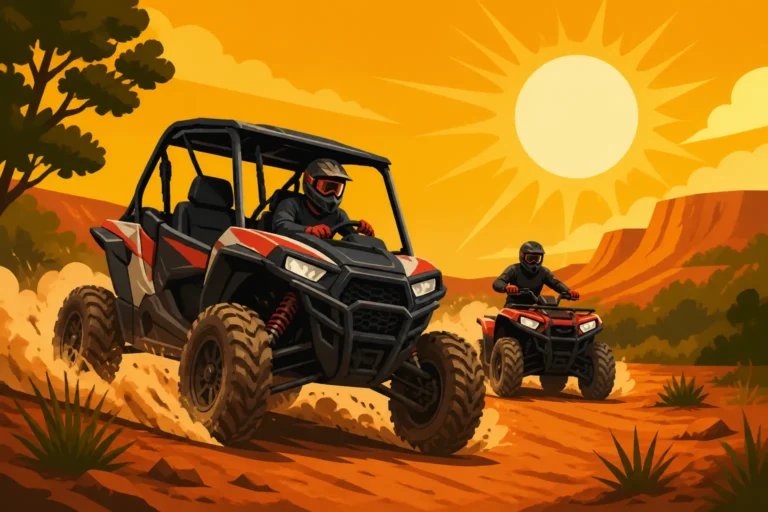
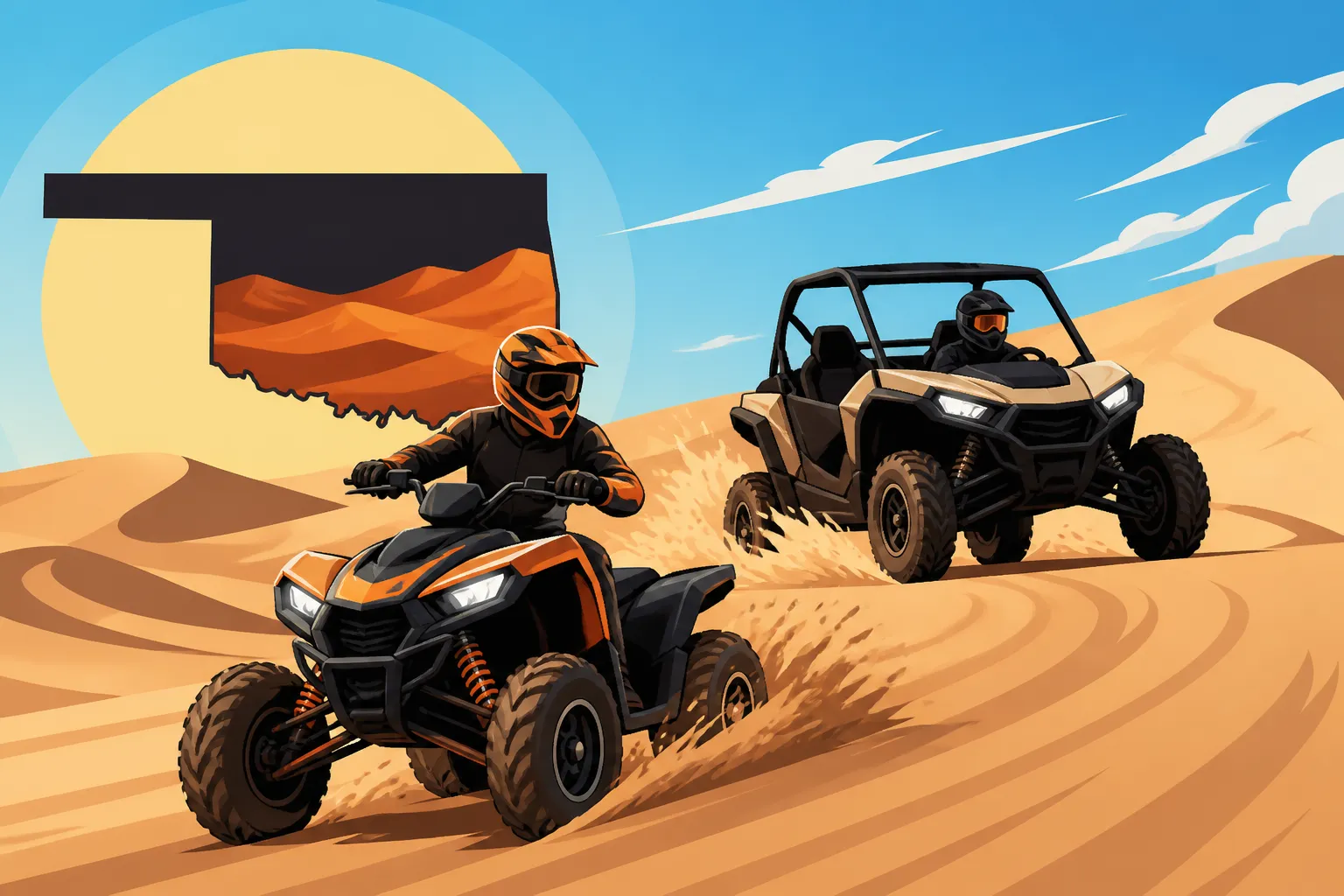
Little Sahara’s roughly 1,600 acres of sand are the main attraction, but the experience is different from following a marked forest trail. The dunes create a changing landscape of slopes, bowls, ridgelines, and open areas. Wind and repeated riding can alter the surface, so a route that looked familiar on a previous visit may feel different next time.
The scale is a treat for riders who want room to explore, but it also calls for good judgment. It’s easy to focus on the dune ahead and lose sight of where your group started. Agree on a meeting point before splitting up, keep track of landmarks, and avoid riding beyond your ability just because a slope looks manageable from below.
If you’re still deciding whether the park suits your machine and riding style, [Little Sahara State Park in Oklahoma] and [Oklahoma Dune Riding Explained] offer useful background. The park is a sand-riding destination, not a conventional network of shaded, clearly marked paths. Plan for open terrain, sun exposure, and the possibility that your group will need to pause and reorient itself.
Dunes, slopes, and changing conditions
Some dunes are gentle enough for a cautious approach, while others are steep or have limited visibility over the crest. The park’s dunes are often described as reaching heights of roughly 25 to 75 feet, but height alone doesn’t tell you whether a particular face is safe. The angle, loose sand, traffic, visibility, and what lies beyond the crest all matter. [Little Sahara's Dune Heights in Oklahoma] gives more context about the park’s terrain.
A common mistake is to climb a dune without knowing what’s on the other side. Another rider could be approaching from the opposite direction, or the far side could drop sharply. Don’t charge over a crest blind. Approach carefully, watch for traffic, and choose a route that leaves you room to turn or stop.
Sand also behaves differently from firm dirt. A machine may lose momentum on a steep climb, drift in a turn, or bog down if the rider makes abrupt throttle or steering changes. New dune riders should start on more forgiving slopes, watch how experienced riders manage their machines, and take breaks before fatigue affects their judgment.
How to think about the park’s size
The acreage can make the park sound like one continuous, equally accessible playground. In practice, the character of the terrain varies, and the most comfortable route for one group may be a poor fit for another. A family riding at a relaxed pace may prefer open areas with clear sightlines, while experienced riders may seek steeper features. Don’t assume the whole group needs to ride the same line.
Before heading out, discuss how far apart riders should spread, how long anyone should wait at a junction or stopping point, and what to do if someone gets separated. A simple rule—such as stopping at the next agreed landmark rather than continuing to chase the group—can prevent a minor navigation mix-up from turning into a stressful search.
Preparing Your ATV or UTV for Sand
Check your machine before unloading
Sand puts different demands on a machine than pavement or packed trails. Before you leave home, check the basics: tires, brakes, throttle, steering, battery connections, fluid levels, and any visible leaks. If your ATV or UTV has been sitting for a while, a quick inspection in the driveway is far easier than discovering a problem at the dunes.
Air pressure and tire choice affect how a machine behaves in loose sand. The right setup depends on your machine, tires, load, and riding conditions, so follow the manufacturer’s guidance rather than copying a pressure you saw online. For background on equipment choices, see [What Tires Work on Loose Sand and Clay]. If your machine has been modified, consider asking a qualified mechanic or experienced technician whether those changes are suitable for dune use.
Sand can work its way into areas that seem protected, so check air filtration and intake components as part of your maintenance routine. Carrying basic tools and supplies may help with small adjustments, but don’t try a repair in the middle of an active riding area if you can move to a safe, stable location first. Keep people and machines clear of traffic while you troubleshoot.
Plan for heat, water, and recovery
A sunny day on open sand can feel much hotter than a shaded ride through wooded trails. Bring more water than you expect to need, take breaks, and pay attention to symptoms of overheating or dehydration, including dizziness, headache, nausea, confusion, or unusual fatigue. A rider who feels fine at the start of the day may make poor decisions after hours in the sun.
Think about recovery before anyone gets stuck. A tow strap, suitable recovery equipment, and a plan for helping a disabled machine can be useful, but recovery needs to be done carefully. Keep bystanders away from tensioned straps and avoid attaching recovery gear to parts not designed for pulling. If you’re riding with others, agree on who will help and where the group should gather.
Bring a basic first-aid kit and make sure someone in the group knows where it is. Mobile reception can vary, so don’t make a phone your only safety plan. If you use onX Offroad for route planning, check the map details before leaving home and download any available offline information in advance. Keep a paper backup or a clearly understood meeting point as well; a mapping app does not replace park rules, situational awareness, or a group plan.
Choose a setup that fits the ride
There’s no single machine setup that works for every rider at Little Sahara. A heavily loaded UTV with passengers may feel very different from a light ATV, and a beginner may benefit from more conservative routes than an experienced dune rider. Pack only what you need, secure loose items, and confirm that passengers understand how to brace and stay seated.
A whip and visible flag are important parts of dune preparation. Review [Oklahoma's 10-Foot Whip Rule] and [Oklahoma's Orange Flag Requirement] before your visit, and check that your equipment is mounted securely and easy for other riders to see. Visibility matters because dunes can hide approaching machines, especially near crests and busy riding areas.
Riding Safely on the Dunes
Make visibility part of every decision
The terrain itself can block your view, so visibility is not just a matter of wearing bright clothing. A dune crest can conceal another rider coming from the opposite direction. Keep a controlled speed where sightlines are limited, avoid stopping where riders may not see you, and don’t assume that a clear view from your seat means others can see you.
A whip and flag help make a machine easier to spot above the terrain. They don’t make blind crossings safe, and they can’t compensate for excessive speed. Before crossing a ridge or entering a busy area, slow down and look for traffic. If you’re traveling in a group, leave enough space to react if the rider ahead stops unexpectedly.
Night riding introduces another layer of risk. Review [Oklahoma Night Lighting on Dunes] and confirm that your lights are working before dusk. Even with lights, riding after dark can make the dunes harder to read and other machines harder to judge. Keep the group together, reduce speed, and avoid pushing on if anyone is tired or uncertain about the route.
Ride within your ability and keep the group together
A steep climb can look easier from a distance than it feels from the saddle. If you’re new to sand, start with gradual terrain and learn how your machine responds before attempting larger slopes. Don’t follow another rider onto a feature simply because they made it up; machines, tires, rider experience, and conditions differ.
Groups can prevent small problems from becoming serious, but only if everyone knows the plan. Establish a lead rider and a sweep rider, agree on stops, and make sure the slowest or least experienced person isn’t pressured to keep up. If someone needs to rest, stop in a visible, safe place rather than leaving them to catch up alone.
For family rides, set expectations before starting. Children and newer riders should know where they’re allowed to go, who they should stay near, and what to do if they lose sight of the group. Build in frequent water breaks and check that everyone is comfortable continuing. A shorter, enjoyable ride is better than stretching the day until someone is exhausted.
Follow park rules and respect other visitors
Park rules can shape the ride as much as terrain does. Check current requirements before you travel, including safety equipment, operating hours, camping arrangements, and any restrictions that apply to your machine or group. Rules and operating details may differ from what you remember from a past visit, so use the park’s official information for final planning.
Be courteous around other riders and campgrounds. Keep speed appropriate for the area, give people space, and avoid throwing sand toward parked vehicles or groups. If someone is stopped or appears to need help, approach cautiously and make sure your own machine is out of the flow of traffic before offering assistance.
Alcohol and riding are a dangerous combination. Don’t operate a machine after drinking, and don’t assume that a campsite or passenger area is separate from riding risks. Put a sober person in charge of transportation and keep the riding portion of the day clear-headed.
Planning a Smooth Visit
Check access, conditions, and logistics before you tow
A long drive with a trailer is a frustrating time to discover that your planned route, riding area, or camping arrangement doesn’t match the day’s conditions. Before leaving, check the park’s official information for access, operating details, closures, and any requirements that affect your visit. Weather matters too: rain, wind, and temperature can change comfort and surface conditions.
If you’re towing from another part of Oklahoma, inspect the trailer, tie-downs, lights, tires, and hitch before departure. Secure machines so they can’t shift during the drive, and bring the equipment you’ll need to unload safely. [Oklahoma Trail Conditions Before You Tow] can help you think through the checks to make before committing to the trip.
Navigation tools can help with the drive and with keeping track of your plans, but don’t treat an app’s map as permission to ride anywhere. onX Offroad may help you review mapped areas and organize a route, but confirm boundaries and access with the park itself. Save key details before you leave reliable service, and tell someone at home where you’re going and when you expect to return.
Pack for a full day, not just a few laps
A useful packing list starts with water, sun protection, food, a first-aid kit, basic tools, and any machine-specific supplies you may need. Add eye protection, gloves, and clothing suited to sand and heat. Keep essential items secured so they don’t fall off or become a distraction while riding.
Plan for cleanup when the day is done. Sand can cling to clothing, equipment, and vehicle interiors, so bring bags for dirty gear and consider how you’ll rinse or clean the machine when you get home. After the ride, inspect the air filter and other areas where sand may have collected, and follow the manufacturer’s maintenance guidance.
A final check of the day’s logistics can save a lot of aggravation: confirm where your group will meet, who has the keys, how everyone will get home, and whether you have enough fuel and water for the planned ride. If you’re using onX Offroad, review your saved route before departure rather than trying to sort it out while the group waits at the trailhead.
Compare key preparations
| Planning area | What to check | Why it matters |
|---|---|---|
| Machine condition | Tires, brakes, steering, throttle, fluids, and air filtration | Sand and heat can expose problems that are easy to miss at home |
| Visibility | Secure whip and flag, working lights, and visible riding gear | Dunes can hide approaching riders and make machines difficult to spot |
| Group plan | Lead and sweep riders, meeting points, and separation rules | A clear plan helps the group respond calmly if someone gets separated |
| Personal supplies | Water, food, sun protection, and first aid | Open sand offers little shade, and fatigue can build over a long day |
| Trip logistics | Park information, towing equipment, and navigation backup | Checking details before departure reduces avoidable delays and confusion |
Little Sahara’s open sand is a big part of its appeal, but an enjoyable day depends on preparation as much as riding skill. Check park details before you go, prepare your machine for loose terrain, set a simple group plan, and give yourself permission to take the cautious line. That approach leaves more room to enjoy the dunes—and less chance of turning a fun outing into a stressful recovery.
Disclaimer
This article is for general informational purposes only and does not constitute professional advice. Laws, prices and regulations vary by location and change over time. Consult a qualified professional for guidance on your specific situation.