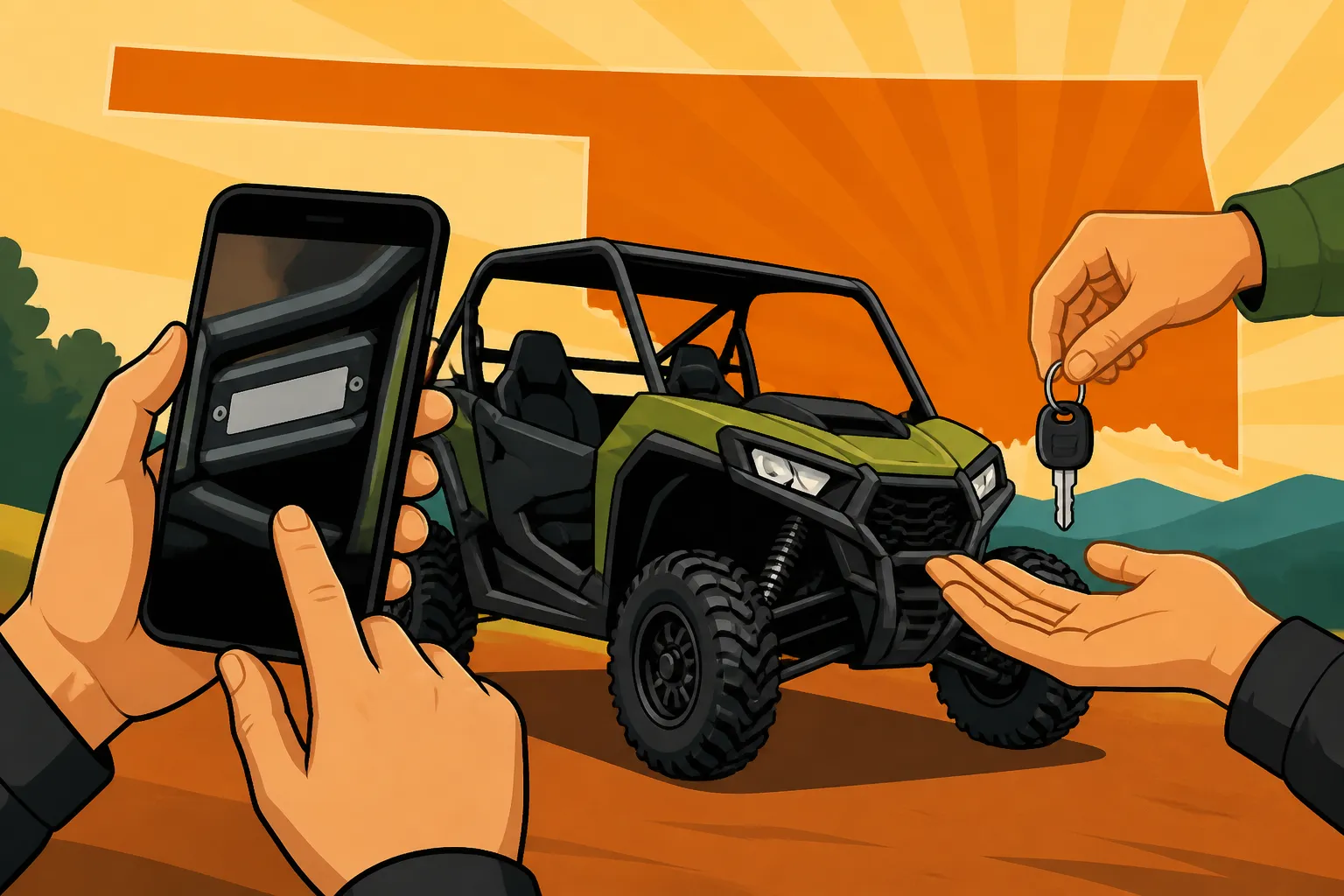
Photographing the VIN Before You Hand Over the Machine
It’s a scenario many of us dread: you’re selling your beloved ATV or UTV, or maybe dropping it off for a major repair, and that moment comes when you hand over the keys. Suddenly, a little voice in the back of your head whispers, "What if something goes wrong?" Whether it's a dispute over the sale, a question about the machine's identity, or even the unimaginable situation of theft, having a solid, personal record of your vehicle's unique identifier is an absolute lifesaver. This guide will walk you through the simple, yet crucial, step of photographing your Vehicle Identification Number (VIN) before your machine leaves your sight, ensuring you have peace of mind and powerful documentation for any situation.
Why Your VIN is So Important Beyond Just a Sale
Think of your VIN as your machine's fingerprint – a unique sequence of 17 characters (for most modern machines) that tells its entire life story, from manufacturer to model year, engine type, and even the plant where it was assembled. While it might seem like just another number on a sticker, it's the bedrock of identification, especially when dealing with transactions or unforeseen issues.
Protecting Yourself in a Private Sale
When you sell an ATV or UTV privately, you're often dealing with cash, handshakes, and a simple bill of sale. It's exciting, but also a point where things can get murky if you're not careful. Imagine this: you sell your quad, and a few weeks later, the buyer calls, claiming the machine isn't what you described, or worse, that it's been reported stolen and the VIN doesn't match the paperwork they thought they had. Without a clear record of the VIN before it left your possession, proving your side of the story can be incredibly challenging. A photograph of the VIN serves as your undeniable proof of the machine you sold, linking directly to the [Oklahoma Bills of Sale for Older Machines] or whatever sales agreement you used. It's like taking a snapshot of a moment in time, sealing the identity of the machine at the point of transfer. This simple step can prevent headaches and potential legal battles down the road, making sure you have solid evidence if a dispute arises. Services like LawDepot can help you generate a comprehensive bill of sale, and adding a VIN photo to your records just makes that documentation even stronger.
Essential for Service and Repair Documentation
Beyond sales, think about taking your machine to a repair shop. You drop it off, maybe with a handwritten note about the issues, and then pick it up a week later. How do you ensure that the correct parts were ordered for your specific machine, or that the shop didn't accidentally swap a component with another similar quad in for repair? Having a VIN photograph on your phone means you can quickly confirm the exact model and year information when talking to the service tech. It helps them order the right parts the first time, preventing delays and costly mistakes. It also provides a clear record of the machine you left with them, which is especially useful if there are ever any questions about work performed or if you notice any discrepancies upon pickup. It's a small detail that offers a surprising amount of accountability.
The Unseen Value of a Digital Record
In today's digital world, paper records can get lost, damaged, or simply misplaced. A digital photograph, securely stored, is far more resilient. Your VIN photo becomes a part of your permanent digital archive for that machine. Need to order a specific part years down the line? You have the exact VIN. Filing an insurance claim? The VIN is immediately accessible. Thinking about selling it again in the future? You already have the core identification ready to go. This digital footprint offers a level of convenience and security that traditional paper methods simply can't match. It's not just about what you need now, but what you might need months or years from now, effortlessly at your fingertips.
The Practical Steps: How to Photograph Your VIN
Taking a good VIN photo isn't rocket science, but there are a few tips and tricks to ensure your photo is clear, legible, and ultimately useful. It's about more than just pointing and shooting; it's about creating an undeniable record.
Locating the VIN on Your ATV or UTV
First things first: where is your VIN hiding? Unlike cars, which often have VINs visible through the windshield, ATVs and UTVs tuck them away in various spots. Here are the most common places to check:
- Main Frame Rail: This is the most common location. Look on the left side (as you sit on the machine) of the main frame rail, usually near the front wheel, engine, or footpeg. It's often stamped directly into the metal.
- Steering Neck: On some ATVs, especially older models, you might find it stamped on the steering neck, just below the handlebars.
- Engine Casing: Less common, but sometimes a partial VIN or engine serial number might be found here.
- Manufacturer's Sticker/Plate: Many machines also have a sticker or metal plate, often on the frame, under the seat, or in the glove box for UTVs, that includes the VIN along with other manufacturer information like gross vehicle weight.
Take your time to thoroughly inspect these areas. The VIN can sometimes be obscured by dirt, rust, or even aftermarket accessories. Clean the area gently before attempting to photograph it. Knowing [What Oklahoma's Registration Application Asks For] means you'll definitely need that VIN.
Getting a Clear, Legible Shot
Once you've found the VIN, it's time to take the picture. The goal is clarity. A blurry photo is as good as no photo at all when it comes to legal or identification purposes.
- Good Lighting: Natural daylight is your best friend. If you're indoors, use strong, direct light. Avoid shadows falling across the VIN. You might need to use your phone's flashlight feature if the area is dim or recessed.
- Focus: Ensure your camera is properly focused on the VIN itself. Tap on the screen where the VIN is located to force your phone's camera to focus.
- Multiple Angles: Don't just take one picture. Take several.
- Close-up: Get a tight shot of just the VIN, making sure every character is perfectly legible.
- Context Shot: Take a slightly wider shot that shows the VIN in context on the machine (e.g., showing the frame rail around it). This proves the VIN belongs to that specific machine.
- No Glare: If the VIN is on a shiny plate or under clear plastic, adjust your angle to avoid glare that can obscure the numbers.
- Steady Hands: Brace your hands or lean against something to keep the camera steady for a sharp image.
Here's a quick checklist for your VIN photo session:
| Action | Description | Why It's Important |
|---|---|---|
| Locate VIN | Find the VIN stamped on the frame, steering neck, or on a manufacturer's plate. | Essential first step; many owners don't know where it is. |
| Clean Area | Wipe away dirt, mud, or grease from the VIN characters. | Ensures clear legibility in the photo. |
| Ensure Good Light | Use natural light or a flashlight to illuminate the VIN evenly. | Prevents shadows and makes characters stand out. |
| Focus Tightly | Tap phone screen on VIN for sharp focus; take close-ups. | Blurry photos are useless for identification. |
| Take Multiple Shots | Capture a tight close-up and a wider shot showing the VIN in context. | Provides both detail and proof of location on the machine. |
| Review Immediately | Zoom in on photos to confirm every character is readable. | Catch mistakes before the machine leaves; avoids needing to retake later. |
Storing and Sharing Your Digital Proof
Once you have those crisp, clear VIN photos, don't just leave them in your camera roll. Treat them like important documents.
- Cloud Storage: Upload them to a secure cloud service like Google Drive, Dropbox, or iCloud. This ensures they're backed up and accessible from any device, even if your phone is lost or damaged.
- Email to Yourself: Send an email to yourself with the photos attached. This creates a timestamped record in your inbox.
- Create a Dedicated Folder: On your computer or cloud storage, create a folder specifically for that ATV/UTV. Include the VIN photos, the [Oklahoma Bills of Sale for Older Machines], maintenance records, and any other relevant documents.
- Share with Buyer (Optional but Recommended): When you complete a private sale, consider sending the VIN photos to the buyer along with the bill of sale. This acts as a mutual record and adds transparency, helping to avoid misunderstandings later. This step, combined with a robust bill of sale from a service like LawDepot, really cements the legitimacy of the transaction.
When and Where to Use Your VIN Photo Record
Having a VIN photo is great, but knowing when and how to leverage it is key to its true value. It’s a versatile piece of evidence that can come in handy more often than you might think.
Verifying Ownership During a Sale
The most obvious use, of course, is during a private sale. When you're [Selling a Registered Machine in Oklahoma] or even an unregistered one, the buyer is going to want to confirm the identity of the machine. You can quickly pull up your VIN photo on your phone to match against the physical VIN on the machine. This builds trust with the buyer and verifies that the machine matches any existing paperwork, like a title or previous bill of sale. It's especially useful for older machines where the VIN might be a bit worn or harder to read. If you’re preparing a bill of sale through a platform like LawDepot, having that VIN photo ensures accuracy when filling out the form, protecting both you and the buyer.
Dealing with Lost or Damaged Paperwork
Let's face it, official documents can go missing. Maybe your [Oklahoma ATV Title Requirements] paperwork gets misplaced, or that original Manufacturer’s Statement of Origin (MSO) is long gone. If you ever need to apply for a duplicate title or re-register a machine with missing documents, the tag agency will need that VIN. Having a clear photo can be incredibly helpful for them to verify the numbers, especially if the physical VIN on the machine is in a hard-to-reach spot or has become corroded over time. While a photo isn't a substitute for official paperwork, it can definitely aid in the process of getting new documents issued, especially if you’re dealing with a machine that falls under the [Oklahoma UTV Cutoff of July 2008] or other special circumstances.
In Case of Theft or Dispute
This is where the VIN photo truly shines as an emergency backup. If your ATV or UTV is stolen, one of the first things the police will ask for is the VIN. Having it instantly available—complete with a photo of its actual location on the machine—can significantly speed up the reporting process and aid in recovery efforts. Law enforcement uses VINs to track stolen vehicles through national databases. Without that VIN, tracing your machine becomes exponentially harder.
Similarly, if you ever find yourself in a dispute with a buyer, a mechanic, or even an insurance company, your VIN photo provides irrefutable proof of the machine's identity at the time you last had possession. It can clarify model years, specific features, or even manufacturing details that become relevant in a claim or legal argument. It's your solid, visual evidence that speaks volumes without a single word. This kind of diligent record-keeping can be the difference between a swift resolution and a prolonged, stressful ordeal.
Common Pitfalls and How to Avoid Them
Even with the best intentions, it's easy to overlook crucial steps or make mistakes that diminish the value of your VIN photos. A little foresight can save you a lot of grief later on.
Skipping the Photo Entirely
The biggest pitfall, of course, is not taking the photo at all. Many of us are in a hurry when selling or dropping off a machine. We're excited about the sale, eager to get the repair done, or simply distracted. That moment of "I'll do it later" often turns into "I wish I had." Making the VIN photo a non-negotiable part of your pre-handover checklist is essential. Just like you'd make sure you have the [Oklahoma Registration Transfer After a Sale] or the keys, make the VIN photo a habit. It takes less than a minute but provides long-term security. Consider it part of the basic due diligence, whether you're dealing with a private party or a commercial service.
Blurry Images and Incomplete Records
A photo that's blurry, poorly lit, or only shows part of the VIN is almost useless. If you can't clearly read every single character in the photo, then it won't serve its purpose if you ever need to rely on it. Similarly, only taking a close-up without any contextual shot can sometimes raise questions about which machine the VIN came from. Remember, the goal is undeniable proof. Take the extra 30 seconds to review your photos on your phone immediately after taking them. Zoom in, check the clarity, and ensure you have both the detailed shot and the wider contextual shot. If anything looks off, retake it. It's a small investment of time for complete confidence.
Not Securing Your Digital Evidence
Having the photos is one thing; keeping them safe and accessible is another. Leaving them only on your phone, without backup, is a gamble. Phones get lost, stolen, or damaged. If that happens and your only copy of the VIN photo disappears, you're back to square one. As mentioned earlier, use cloud storage, email them to yourself, or keep them in a dedicated folder on your computer. Think of it like this: if you lost all your physical paperwork, how would you feel? You should have the same level of security for your digital records. For important documents related to the sale, consider using a service like LawDepot for your bill of sale, and keep your VIN photos stored right alongside those legal papers. It creates a robust, multi-layered record that's hard to challenge.
Disclaimer
This article is for general informational purposes only and does not constitute professional advice. Laws, prices and regulations vary by location and change over time. Consult a qualified professional for guidance on your specific situation.