Farm Permits Still Save You the Excise Tax
It can be a real punch to the gut when you're excitedly bringing home a new (or new-to-you) ATV or UTV in Oklahoma, only to find out there's a hefty excise tax on top of the purchase price. Many folks are keenly aware of the initial cost of the machine itself, maybe even the dealer fees, but that state excise tax can often catch them by surprise, adding hundreds of dollars to the final bill. This guide is here to shed some light on Oklahoma's excise tax for off-road vehicles and, more importantly, to walk you through how a valid farm permit can be your secret weapon to legally avoid paying that significant tax.
Understanding Oklahoma's Excise Tax on ATVs and UTVs
When you purchase a vehicle in Oklahoma, whether it's a car, truck, motorcycle, or an off-road machine like an ATV or UTV, the state wants its share. This comes in the form of an excise tax, which is essentially a tax on the privilege of transferring ownership of a vehicle. For many, this tax feels like an extra hurdle to jump over, especially when they're already stretching their budget for a new machine that's essential for work or well-deserved recreation. It’s not just a small percentage either; it can really add up, making a significant difference in your total out-the-door cost. Understanding this tax is the first step in knowing how to navigate it, or even better, how to avoid it legally.
The 4.5 Percent Excise Tax Explained
Oklahoma charges a flat 4.5 percent excise tax on the purchase price of most new and used vehicles, and this absolutely includes your ATVs and UTVs. This isn't a sales tax in the traditional sense, but rather a specific vehicle excise tax that applies every time ownership of a vehicle is transferred and a new title is issued. This means whether you're buying a brand-new side-by-side from a dealership in Oklahoma City or picking up a used quad from a private seller near Enid, that 4.5 percent will be calculated on the purchase price you declare. It’s a crucial distinction, because it means even if you bought your machine out-of-state, you’ll still owe this use tax when you bring it home to Oklahoma and go to title it here.
Historically, Oklahoma had a different setup, where motor vehicles were subject to both state and local sales tax before a law change. But now, it’s this specific 4.5 percent excise tax that applies to vehicle transfers. The amount you pay is based on the declared purchase price, which is why it's so important to have a clear bill of sale or a properly filled-out declaration of purchase price form when you head to the tag agency. If you buy from a dealer, they'll usually handle the calculations for you, but if you're engaging in a private sale, you'll need to be aware of how to accurately report that price to ensure you pay the correct amount, or, in the case of a farm permit, ensure you're correctly exempted.
Who Pays the Excise Tax and When
The excise tax is typically paid by the buyer at the time of titling and registration. This applies to a wide range of scenarios. For instance, if you're buying a brand-new utility vehicle from a dealer, that 4.5 percent will be added to your final bill, and the dealer will collect it and remit it to the state when they process your paperwork. If you're buying a used quad from a private seller, you, as the buyer, will be responsible for paying this excise tax directly to the tag agency when you go to transfer the title into your name.
It's not just outright purchases that trigger this tax either. Even if a machine is gifted to you by a family member or you inherit an ATV, there can be excise tax implications depending on how the transfer is documented and the relationship to the previous owner. The key takeaway is that almost any time an ATV or UTV is titled in a new owner's name, the state expects to collect this 4.5 percent. This is where many riders get caught off guard, as they might budget for the machine itself, maybe even the [Oklahoma Registration Cost], but forget about this additional tax, which can quickly add hundreds, if not thousands, of dollars to the total expense depending on the value of the machine.
The Power of the Farm Permit: Saving on Excise Tax
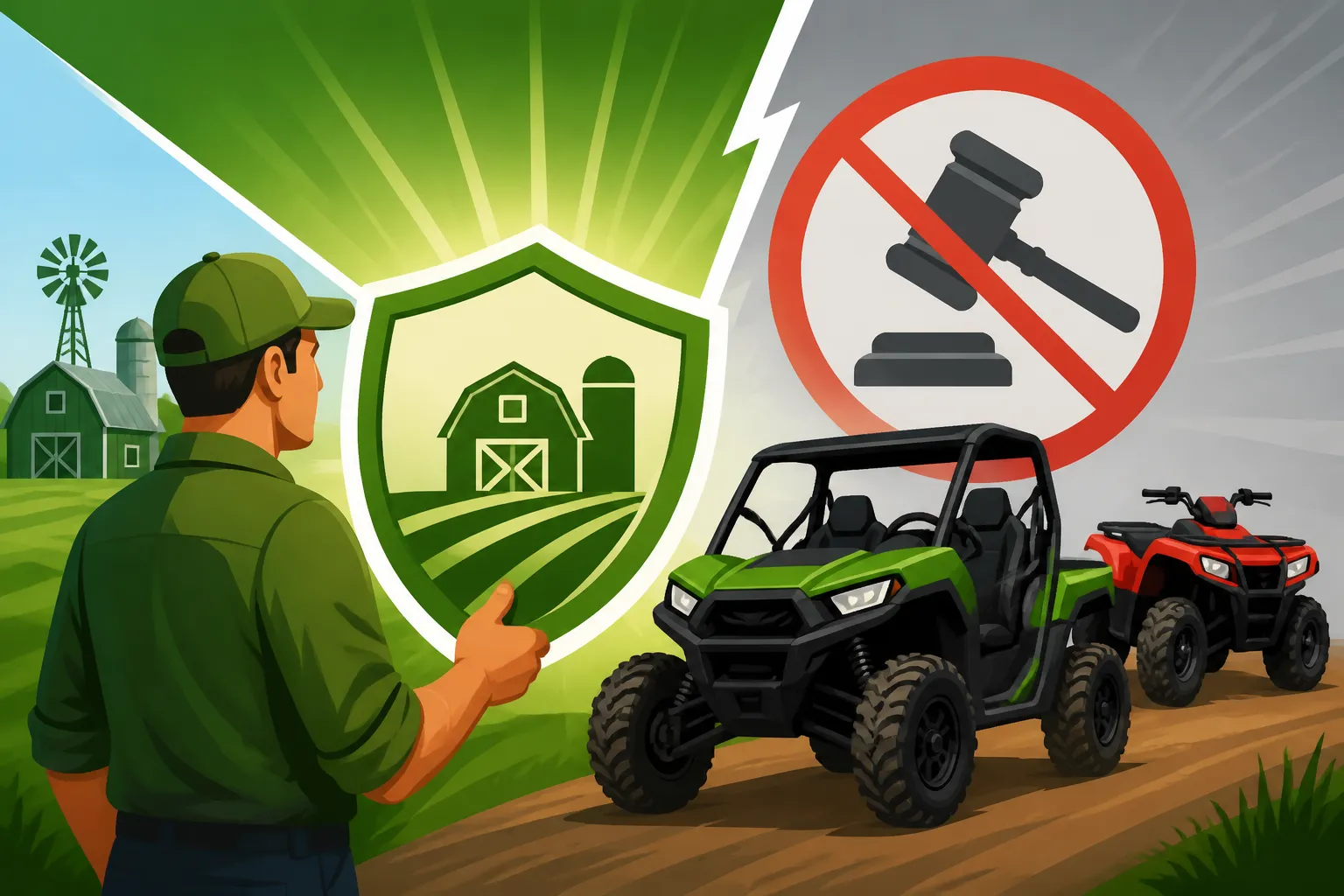
Here’s where it gets interesting, and potentially much lighter on your wallet. Oklahoma recognizes the vital role that agricultural operations play in our state, and because of this, they offer specific exemptions for equipment used directly in farming and ranching. One of the biggest financial benefits comes in the form of an exemption from that 4.5 percent excise tax when you purchase an ATV or UTV that will be used primarily for agricultural purposes. This isn't just a small discount; it's a complete waiver of that significant tax, which can translate into substantial savings, especially on higher-priced machines. For many farmers and ranchers, this exemption is a critical component of making their operations more financially viable.
The frustration for many is that they might not even be aware this exemption exists, or they don't understand the specific requirements to qualify. They might mistakenly pay the excise tax, thinking it's just a standard part of vehicle ownership, not realizing they had a legitimate way to avoid it. The state's intent behind this exemption is to support the agricultural community, recognizing that these machines are often tools for livelihood, not just recreational toys. By understanding and utilizing the farm permit correctly, you can ensure that your hard-earned money stays where it belongs – in your pocket or invested back into your operation.
How the Agricultural Permit Exempts You from Excise Tax
The magic happens through Oklahoma's agricultural exemption permit. When you present this valid permit at the tag agency during the titling process, you are essentially declaring that the ATV or UTV you are purchasing will be used predominantly for agricultural purposes. This classification allows the state to waive the 4.5 percent excise tax that would otherwise be due. It's a direct, clear-cut exemption designed to ease the financial burden on farmers and ranchers. For example, if you're buying a new side-by-side that costs $15,000, that 4.5 percent excise tax would be $675. With the farm permit, that $675 simply disappears from your bill. That's a huge saving that can go towards feed, equipment repairs, or even just keeping more money in your operational budget.
It’s crucial to understand what "agricultural use" truly entails in this context. It's not about occasionally driving your quad across your backyard garden. It means the machine is primarily employed for tasks directly related to the production of crops, livestock, or other agricultural commodities. Think fence mending, hauling feed, checking cattle, moving irrigation equipment, or spraying fields. If your primary intent for the machine aligns with these types of activities, then you are likely a candidate for this exemption. This benefit is specifically aimed at bona fide agricultural operations, ensuring that the tax relief goes to those actively contributing to the state's agricultural economy. This also makes a big difference compared to simply getting an [Oklahoma Ag Permit Holders and Titles] exemption; it specifically targets the excise tax.
Eligibility and Documentation for the Farm Exemption
To qualify for the agricultural excise tax exemption, you'll need to demonstrate that you are indeed engaged in an agricultural operation and that the ATV or UTV will be used for that purpose. Typically, this involves having a valid Oklahoma sales tax exemption permit for agricultural purposes, often referred to as an "Ag Exemption" card or number. This permit is issued by the Oklahoma Tax Commission and signifies that you meet the state's criteria for a farming or ranching operation. You might also need to provide additional proof, such as your farm tax ID, or even a statement affirming the machine's intended use.
When you head to the tag agency, make sure you have your agricultural exemption permit with you, along with all the other necessary documents for titling the machine, like the Manufacturer's Statement of Origin (MSO) for a new vehicle, or the existing title and a bill of sale for a used one. The tag agency clerk will verify your exemption status. It's always a good idea to call your local tag agency ahead of time to confirm exactly what documentation they require, as processes can sometimes vary slightly. Having everything in order before you arrive will make the process much smoother and prevent any delays in getting your excise tax exemption approved. Tools like LawDepot can be useful for creating a legally sound bill of sale if you're purchasing privately, ensuring all the details are clearly laid out, which can be helpful in any titling scenario.
Common Pitfalls and Important Distinctions with Farm Permits
While the agricultural permit is a fantastic way to save on excise tax, it's not a magic wand that makes all fees disappear. There are common misunderstandings and important distinctions that riders often miss, which can lead to frustration or unexpected costs. It's critical to know precisely what the farm permit exempts you from and what it doesn't, so you can plan your budget and paperwork accordingly. Many people mistakenly believe that having a farm permit means their machine is completely outside the realm of state regulations, but that's simply not the case. Avoiding these common pitfalls means being a more informed and compliant owner, ensuring your machine is ready for whatever work or limited recreational use you have planned.
The Difference: Excise Tax vs. Registration Fees
One of the biggest areas of confusion is mistaking the excise tax exemption for a complete exemption from all state fees. This is a crucial distinction: the agricultural permit does exempt you from the 4.5 percent excise tax, but it does not exempt you from the standard [Oklahoma Charges $11 at Titling] and registration fee. Every ATV and UTV in Oklahoma must be titled and registered, regardless of whether it's used for recreation, farm work, or anything else, unless specifically exempt through other means (like the old pre-cutoff machines, which still needed to be titled but had different registration rules).
So, while you might save hundreds of dollars on the excise tax, you will still need to pay the nominal $11 registration fee and any associated titling fees. This payment ensures your machine has a valid Oklahoma title and a front-mounted decal, which is legally required for all registered off-road vehicles. For instance, even if your side-by-side is strictly used for ranch work on your property in rural Oklahoma, you still need to go through the titling and registration process, even if you are exempt from the excise tax. The farm permit truly shines by removing the biggest financial hurdle, but the administrative steps for state identification remain in place.
Historical Cutoff Dates and Their Impact
Another area where some confusion can arise is around the historical cutoff dates for ATV and UTV registration. Oklahoma implemented specific dates – July 1, 2005, for ATVs and July 1, 2008, for UTVs – that determine how these machines are initially titled and registered, particularly concerning the requirement for a Manufacturer's Statement of Origin (MSO) or existing title. Machines purchased or manufactured before these dates had different rules regarding initial titling paperwork. This often comes up when people are trying to figure out [Oklahoma's 2005 and 2008 Cutoff Dates] and whether their older machine even needs a title.
However, it's very important to understand that these cutoff dates primarily impact the initial titling and registration paperwork requirements and do not affect your ability to claim the excise tax exemption for agricultural use. If you have a valid agricultural exemption permit, and you're purchasing an ATV or UTV for farm use, you will be exempt from the excise tax, regardless of whether that machine was made before or after the 2005 or 2008 cutoffs. The exemption is tied to the use of the machine and the permit of the owner, not the vintage of the vehicle. So, whether you're bringing in an older quad or a brand new one, if it's for farm work, the excise tax exemption is still on the table. For more details on these cutoffs, you might want to review [Oklahoma ATV Cutoff of July 2005] or [Oklahoma UTV Cutoff of July 2008].
Applying for the Exemption: Your Steps at the Tag Agency
Navigating the tag agency can sometimes feel like a maze, especially when you're dealing with specific exemptions. However, with the right preparation, getting your excise tax exemption approved for your farm-use ATV or UTV can be a straightforward process. The key is to arrive organized and informed, ready to present all the necessary documentation to the clerk. Remember, the tag agency's job is to ensure all state laws and regulations are met, so providing clear and complete information from the start will make their job, and yours, much easier. Don't let the paperwork intimidate you; a little bit of planning goes a long way.
Gathering Your Documents
Before you even think about heading to the tag agency, gather every single document you might need. For a new machine, you'll absolutely need the Manufacturer's Statement of Origin (MSO) from the dealer. If it's a used machine, you'll need the original signed-over title from the previous owner. Crucially, for the excise tax exemption, you must have your Oklahoma agricultural sales tax exemption permit (your "Ag Exemption" card or number). It's also wise to bring a clear bill of sale, especially for private purchases, to document the purchase price. LawDepot offers templates for bills of sale that can ensure all necessary details are included. Don't forget your driver's license or state-issued ID, and proof of Oklahoma residency if your ID doesn't reflect your current address.
Here’s a quick checklist to help you stay organized:
| Document Type | New Machine | Used Machine | Ag Exemption Requirement | Notes |
|---|---|---|---|---|
| MSO (Manufacturer's Statement of Origin) | Yes | No | N/A | For new machines only |
| Signed-Over Title | No | Yes | N/A | For used machines, ensures ownership transfer |
| Bill of Sale | Yes (dealer invoice) | Yes | Recommended | Essential for declaring purchase price; LawDepot can help |
| Oklahoma Ag Exemption Permit | N/A | N/A | Yes | Your actual Ag Exemption card/number |
| Valid Photo ID | Yes | Yes | N/A | Driver's License or State ID |
| Proof of Address (if needed) | Yes | Yes | N/A | Utility bill, lease agreement, etc. |
| Checkbook or Payment Method | Yes | Yes | N/A | For the $11 registration fee and titling costs |
Having everything in hand will streamline the process and prevent a frustrating return trip. Remember, the more prepared you are, the quicker you'll be out the door with your titled and registered, excise tax-exempt, farm machine. For comprehensive guidance on what's generally needed, you can also look into [Oklahoma ATV Title Requirements].
What to Expect During the Titling Process
When you arrive at the tag agency with your organized stack of documents, you'll present them to the clerk. They will review your paperwork, verify the machine's VIN (Vehicle Identification Number), and process the title transfer. This is the moment to clearly state that the machine is for agricultural use and that you are applying for the excise tax exemption with your farm permit. Be ready to present your Ag Exemption card or number when requested. The clerk will input this information into the system, which should then bypass the calculation of the 4.5 percent excise tax.
They will still calculate the standard $11 registration fee and any small titling fees, and you'll be expected to pay those. They may ask you questions about the nature of your agricultural operation or how the machine will be used, simply to confirm eligibility. Answer honestly and clearly. Once all fees are paid, they will issue you a new title for your ATV or UTV and provide you with the registration decal to affix to the front of your machine. This entire process, when you're prepared, can often be completed in a single visit, saving you both time and a significant amount of money on that excise tax.
Disclaimer
This article is for general informational purposes only and does not constitute professional advice. Laws, prices and regulations vary by location and change over time. Consult a qualified professional for guidance on your specific situation.